
Best throw pillows for small living rooms come down to one thing: making the space feel intentional, not stuffed. The right pillows can add color and comfort, but the wrong size or too-busy pattern can make a small sofa look even smaller.
This matters more than people expect because pillows sit at eye level, they’re one of the first “style signals” guests notice. They also get used daily, so fabric and fill choices affect how your living room feels, not just how it photographs.
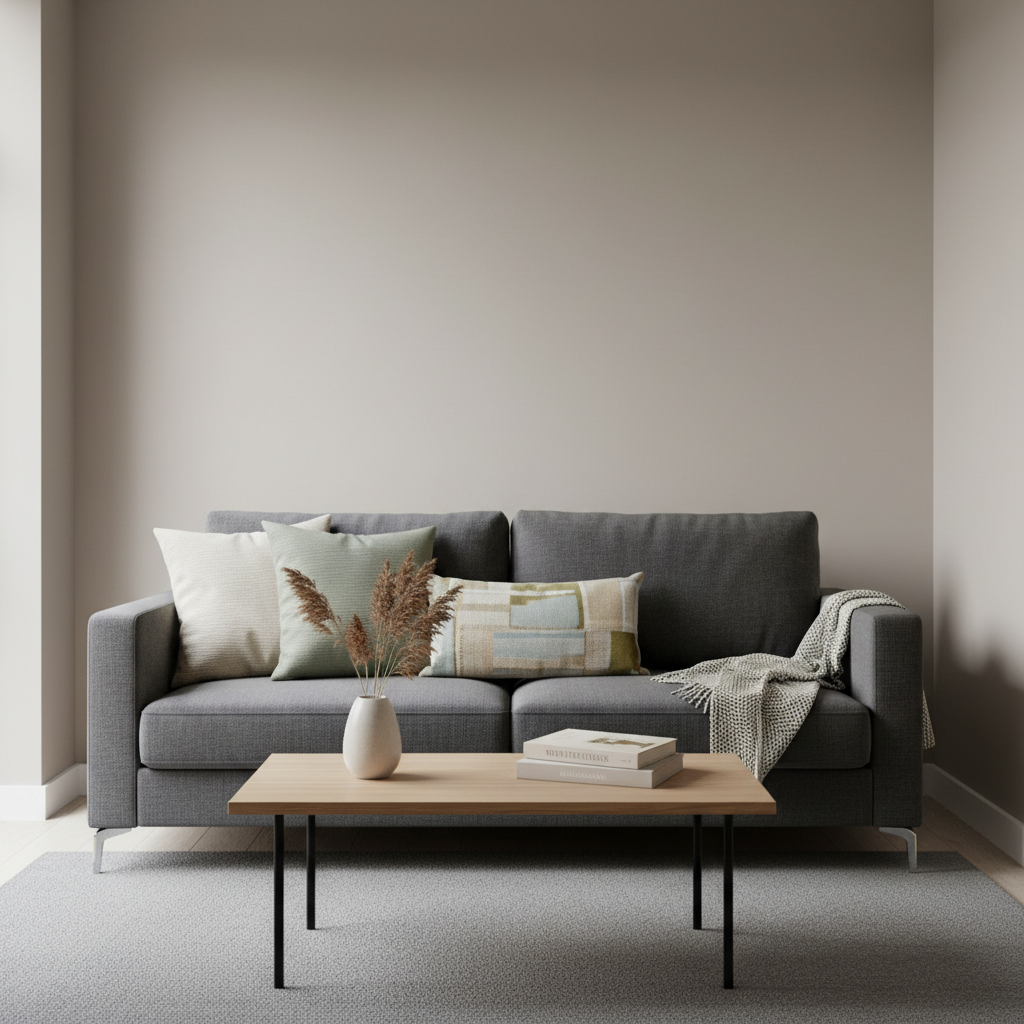
Below is a practical way to choose pillows that fit small rooms: what sizes look right, how many to use, and which materials stay looking crisp. I’ll also call out the common mistakes that waste money, like buying “cute” pillows that slump after two weeks.
What usually goes wrong in small living rooms
In a tight space, pillows fail for predictable reasons. Not because your taste is off, but because scale and texture behave differently when there isn’t much negative space to “forgive” the styling.
- Pillows are too large for the sofa depth, so they push you forward and the seating feels cramped.
- Too many patterns compete, creating visual noise that makes the room feel smaller.
- Flat inserts make everything look tired, even if the covers are great.
- Slippery fabrics (some satins, certain poly blends) slide off compact sectionals all day.
- Wrong color contrast either disappears completely or shouts, with no “middle note” tying things together.
According to American Home Furnishings Alliance (AHFA)... there isn’t a universal “best” pillow standard because usage and materials vary, so your best move is matching pillow construction to how you actually live, pets, kids, naps, all of it.
A quick checklist to pick the right pillows (before you buy)
If you want the best throw pillows for small living rooms without guesswork, use this short self-check. It prevents most scale mistakes.
- Sofa width: Under ~72 inches usually looks best with 2–4 pillows total, not 6–8.
- Sofa depth: If you already feel perched, skip oversized 24-inch squares.
- Your main use: Decorative only, everyday lounging, or mixed. This decides fabric and fill.
- Color anchor: Pick one anchor color from your rug, art, or curtains, then build around it.
- Care tolerance: If you won’t dry-clean, don’t buy “dry-clean only” covers no matter how perfect they look.
Key point: In small rooms, editing beats adding. Fewer pillows that hold their shape will look more expensive than a pile of thin ones.
Best sizes and shapes for small spaces (with a simple formula)
Size is the fastest way to make a small living room feel pulled together. Here’s the combo that works in many real homes, especially on apartment sofas and loveseats.
The “2 + 1” setup (most reliable)
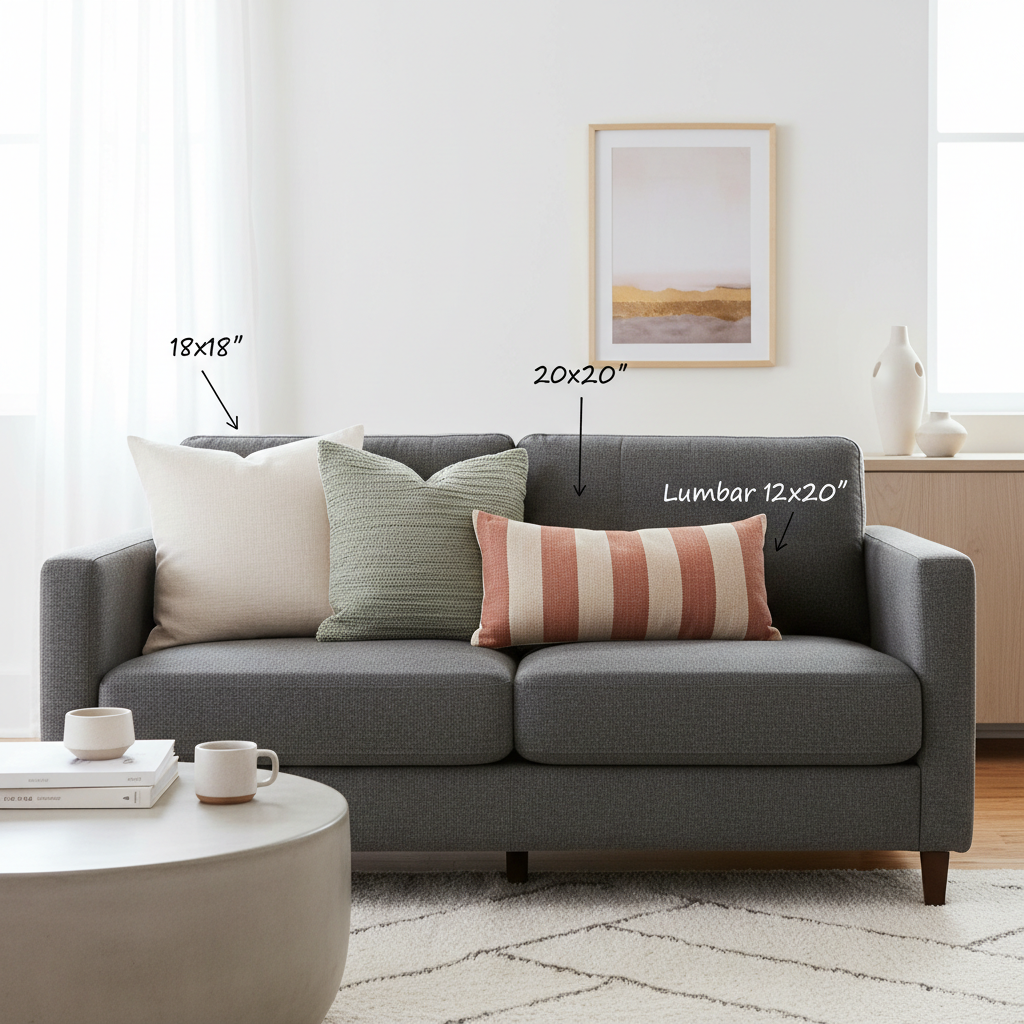
- Two 18x18 or 20x20 square pillows (one on each end)
- One lumbar pillow (roughly 12x20 to 14x22) centered or off to one side
This arrangement reads styled, but still leaves room to sit. If your couch is very small, go 18x18 instead of 20x20.
When to use round pillows or bolsters
Round pillows look cute, but in small rooms they can read “extra” fast. A single small round pillow can work if the rest are solid or textured, but bolsters tend to be better for tight seating because they tuck into corners without stealing much space.
Materials and fills that look good in a small room
The best throw pillows for small living rooms usually share one trait: they keep their structure. In a big room you can get away with softer, slouchier styles. In a small room, sagging pillows look like clutter.
Covers: what tends to work
- Cotton and cotton-linen blends: breathable, easy texture, usually easy to live with.
- Velvet (performance if possible): adds depth without needing loud patterns, great for small rooms.
- Bouclé and nubby textures: can be beautiful, but limit to one piece so it doesn’t feel heavy.
- Outdoor/performance fabrics: worth it if you have pets or snacks on the couch.
Inserts: the “secret” that changes everything
If your covers look fine but the sofa still looks sad, it’s usually inserts. Many decorators size inserts 1–2 inches larger than the cover for a fuller look, for example a 20x20 insert inside an 18x18 cover, but it depends on the cover fabric and zipper placement, so test one before committing.
Down or down-alternative can both work. Down feels plush and does the classic “karate chop” shape, but allergies and care needs vary, so some households prefer quality down-alternative for easier maintenance.
Color and pattern rules that keep the room from feeling crowded
In small rooms, color choices aren’t about playing it safe, they’re about control. You want contrast, but you also want a clear hierarchy so your eye knows where to rest.
- Pick one “hero” pillow (pattern or bold color), then keep the others quieter.
- Repeat a color twice somewhere in the room, pillow + rug detail, pillow + art, pillow + throw blanket.
- Use texture as your pattern when your room already has busy elements like a patterned rug.
- Keep scale mixed: if one pillow has a small print, balance with one larger-scale pattern or a solid.
According to Pantone... color perception changes with surrounding tones and lighting, so if your living room is north-facing or dim at night, test pillow colors in your actual light before you buy multiples.
Quick buying guide: what to choose by sofa type
Not every small living room has the same problem. A loveseat needs different pillow math than a compact sectional, and armless couches can’t “hold” as many pieces visually.
| Small-space sofa type | What usually works | What to avoid |
|---|---|---|
| Loveseat (2-seat) | 2 squares (18x18) + 1 lumbar, or just 2 squares | 4+ large squares that block the seat |
| Apartment sofa (3-seat, slim arms) | 2 squares (20x20) + 1 lumbar, optional small accent | Oversized 24-inch pillows |
| Compact sectional | 2–3 pillows on the main side, 1 lumbar near the corner | Stuffing every corner equally, it reads bulky |
| Sleeper sofa | Fewer pillows, easy-off covers, durable inserts | Dry-clean-only covers you’ll never maintain |
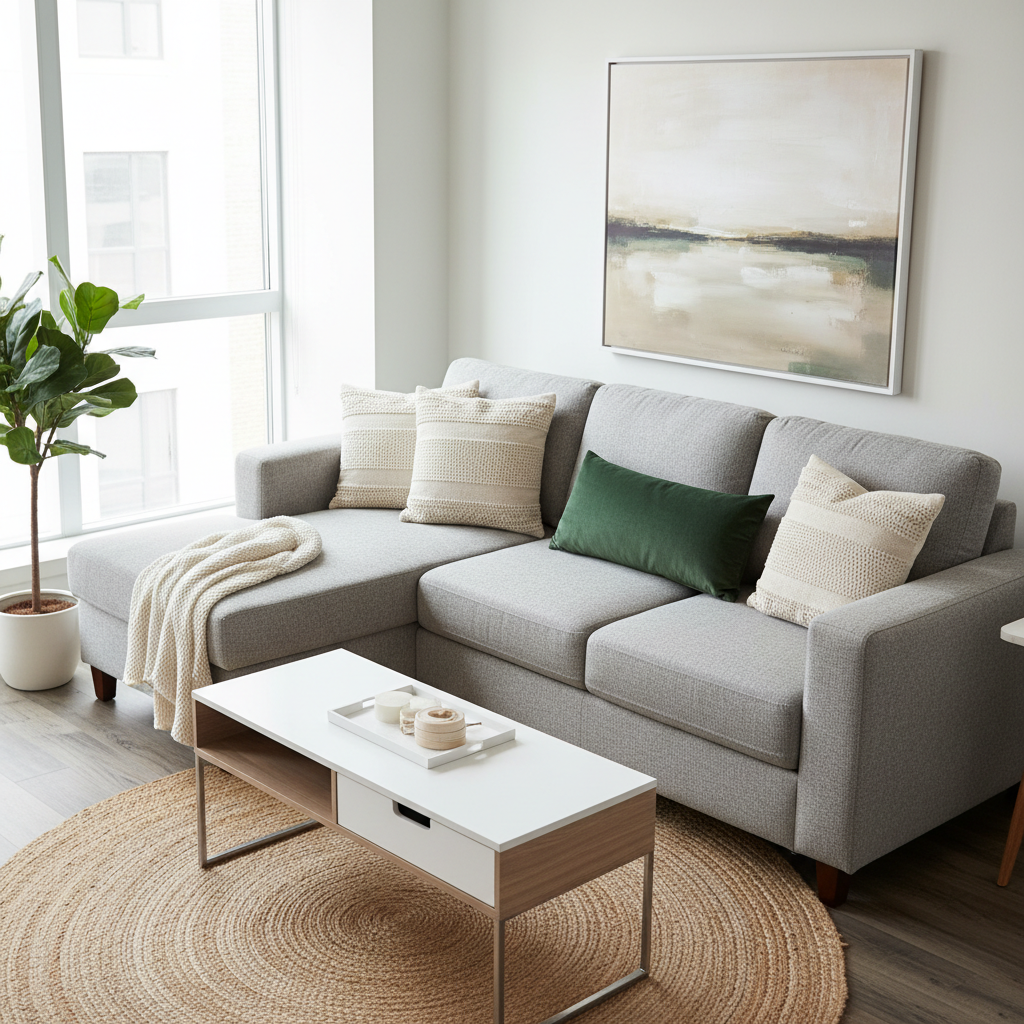
How to style throw pillows step by step (so it looks effortless)
You can buy the best throw pillows for small living rooms and still end up with a “store display” look if everything matches too perfectly. The goal is coordinated, not identical.
A simple 10-minute styling routine
- Start with the biggest two on the ends, slightly angled, not rigidly upright.
- Add the lumbar in front of one side or centered if your sofa is symmetrical.
- Introduce one texture shift, like velvet with cotton, or linen with a subtle weave.
- Step back 6 feet and check contrast. If everything blends, add one darker tone.
- Remove one pillow if the seat looks shallow. Comfort wins in small rooms.
If your room feels busy, use this edit
Take away the loudest pattern first, then swap in a textured solid that repeats a color already present. Most of the time, that one change calms the whole setup.
Mistakes that waste money (and what to do instead)
- Buying covers without thinking about inserts: decide insert size and fill at the same time.
- Choosing trendy textures everywhere: keep the trend to one pillow, let the rest be classic.
- Ignoring cleaning reality: if you have pets, light bouclé may look rough quickly.
- Over-filling a small sofa: two great pillows beat five “fine” ones.
According to Consumer Product Safety Commission (CPSC)... home textiles should be used and maintained with basic safety in mind, for example keeping items away from open flames and following care labels. If you’re styling around candles or fireplaces, choose placements that reduce risk.
Conclusion: a small-room pillow setup that’s hard to regret
If you want a low-drama win, start with two 18x18 or 20x20 pillows plus one lumbar, stick to one hero pattern, and spend a little more attention on inserts than you think you need. That combination tends to look tidy, feel comfortable, and stay flexible as you change throws, rugs, or wall art.
If you’re shopping this week, pick your anchor color first, then buy one pillow you love, build the rest around it, and stop at three or four total unless your sofa is genuinely large.
FAQ
- How many throw pillows should I use on a small couch?
Most small couches look balanced with 2–4 pillows. If you find yourself moving pillows to sit down every time, that’s your cue to reduce the count. - Are 20x20 pillows too big for a small living room?
Not always. On many apartment sofas they work well, but on a shallow loveseat they can crowd the seat. If your sofa depth is tight, 18x18 often feels better. - What pillow inserts look most “full”?
Higher-quality down or down-alternative inserts tend to hold shape better than cheap polyfill. Many people size inserts slightly larger than the cover, but it depends on fabric and zipper style. - Should my throw pillows match my rug?
They don’t need to match exactly. A more realistic approach is repeating one or two rug colors in your pillows, then adding a neutral or textured solid to keep things calm. - What colors make a small living room feel bigger?
Lighter neutrals often feel airy, but contrast is what gives definition. A small room can still feel open with a few deeper accents if the base stays consistent. - Is it okay to mix patterns in a small room?
Yes, but limit it. One strong pattern plus one subtle pattern is usually enough, then use solids and textures for the rest. - What’s the easiest “upgrade” if my pillows look cheap?
Swap inserts before replacing covers. A better insert can make existing covers look sharper and more structured.
If you’re trying to make a small living room feel finished without buying new furniture, pillows are one of the most cost-controlled places to start, and if you want a more streamlined route, bring a photo of your sofa and rug colors to a home decor specialist or designer so you can narrow choices faster and avoid returns.