
Best decorative baskets for storage and decor are the ones that hide everyday clutter without looking like “storage,” and they’re easier to choose when you match the basket’s material, size, and structure to the mess you actually have.
If you’ve ever bought a gorgeous woven basket and then realized it can’t hold magazines upright, snags your sweaters, or collapses the second you add toys, you already know the problem: pretty isn’t always practical, and practical can look cheap if you pick the wrong style.
This guide narrows the options in a way that feels realistic, what works in living rooms versus bathrooms, which materials age well, what sizes people commonly regret, and how to shop so the baskets look intentional instead of random.
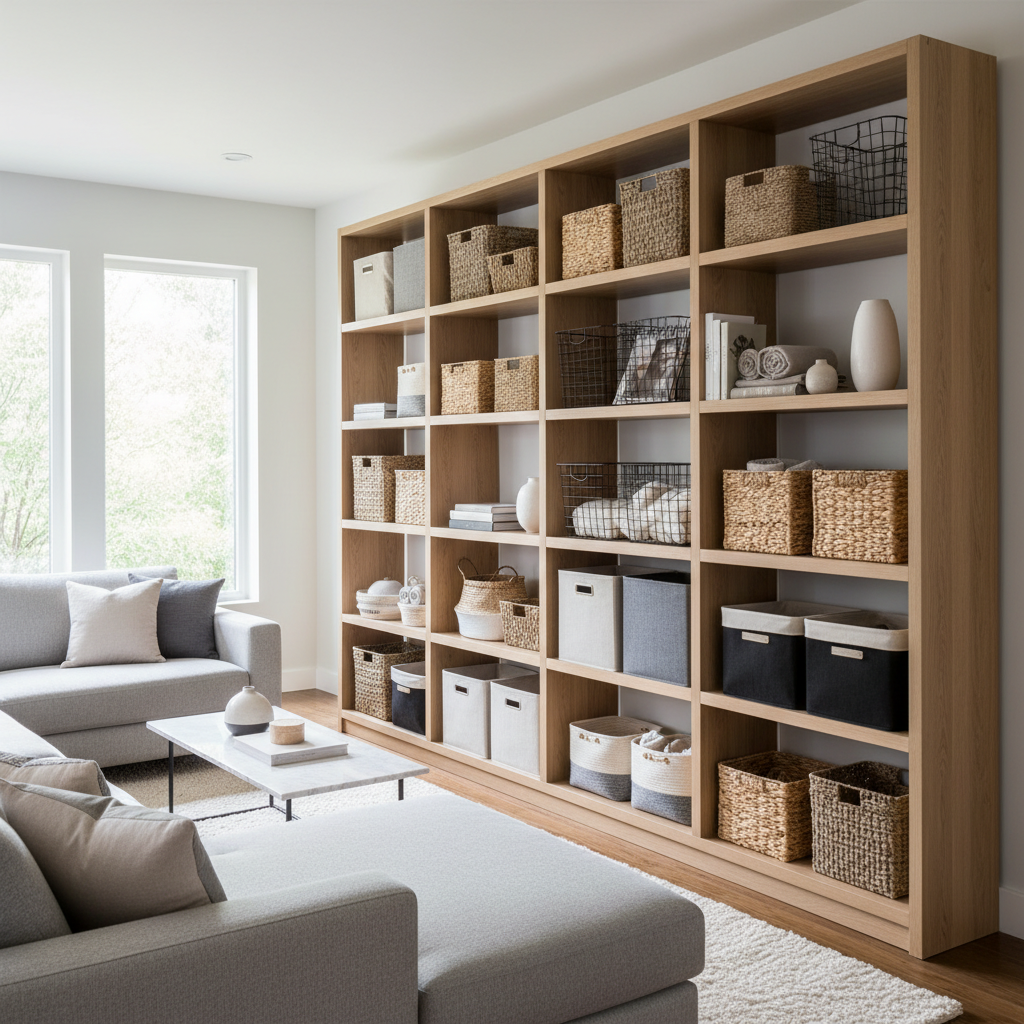
What “best” really means for decorative storage baskets
“Best” usually comes down to fit, function, and finish. Fit is the basket size and shape relative to your shelf, console, or closet. Function is what it holds and how it’s used daily. Finish is the visual texture and color that makes it feel like decor, not a leftover moving box.
A quick way to avoid regret is to decide which job the basket has, because one basket rarely does all jobs well:
- Grab-and-go storage (throws, toys, dog gear): prioritize handles and comfort.
- Open-shelf styling (cables, remotes, mail): prioritize shape and consistency.
- Closet/under-bed (seasonal items): prioritize durability, lids, and smooth interiors.
- Wet areas (bath, laundry): prioritize moisture resistance and easy wipe-down.
Also, think about what you want people to notice. If the goal is calm, cohesive storage, you’ll want fewer basket styles repeated more often. If the goal is a collected look, you can mix materials, but keep the color story tight.
Material guide: how each basket type behaves in real homes
Basket materials aren’t just aesthetics, they change how the basket wears, cleans, and holds its shape. Here’s the practical breakdown most shoppers wish they had before ordering.
Quick comparison table
| Material | Looks like | Best for | Watch-outs |
|---|---|---|---|
| Seagrass / Water hyacinth | Warm, woven texture | Living rooms, shelves, entry consoles | Can shed fibers; not ideal for damp bathrooms |
| Rattan / Cane | Airy, structured weave | Decor-forward storage, lidded bins | Can snag delicate knits if weave is rough |
| Cotton rope | Soft, modern, matte | Nursery/toys, blankets, bedside | Shows dirt; may slump without reinforcement |
| Felt / Fabric bins | Clean, minimal, tailored | Closets, cube storage, offices | Can pill; seams can fatigue when overloaded |
| Wire / Metal | Industrial, airy | Pantries, towels, quick visibility storage | Can scratch surfaces; needs liners for small items |
| Bamboo / Wood | Light, spa-like | Bathrooms (drier zones), countertops | Finish can warp in constant humidity |
| Plastic / Resin “woven” | Wicker look, wipeable | Laundry, bathrooms, kids’ areas | Can look shiny/cheap if color is off |
According to EPA guidance on mold basics, moisture control and ventilation are key for preventing mold growth, so for bathrooms and laundry rooms, baskets that dry quickly and wipe clean tend to be the safer, lower-maintenance choice in many homes.
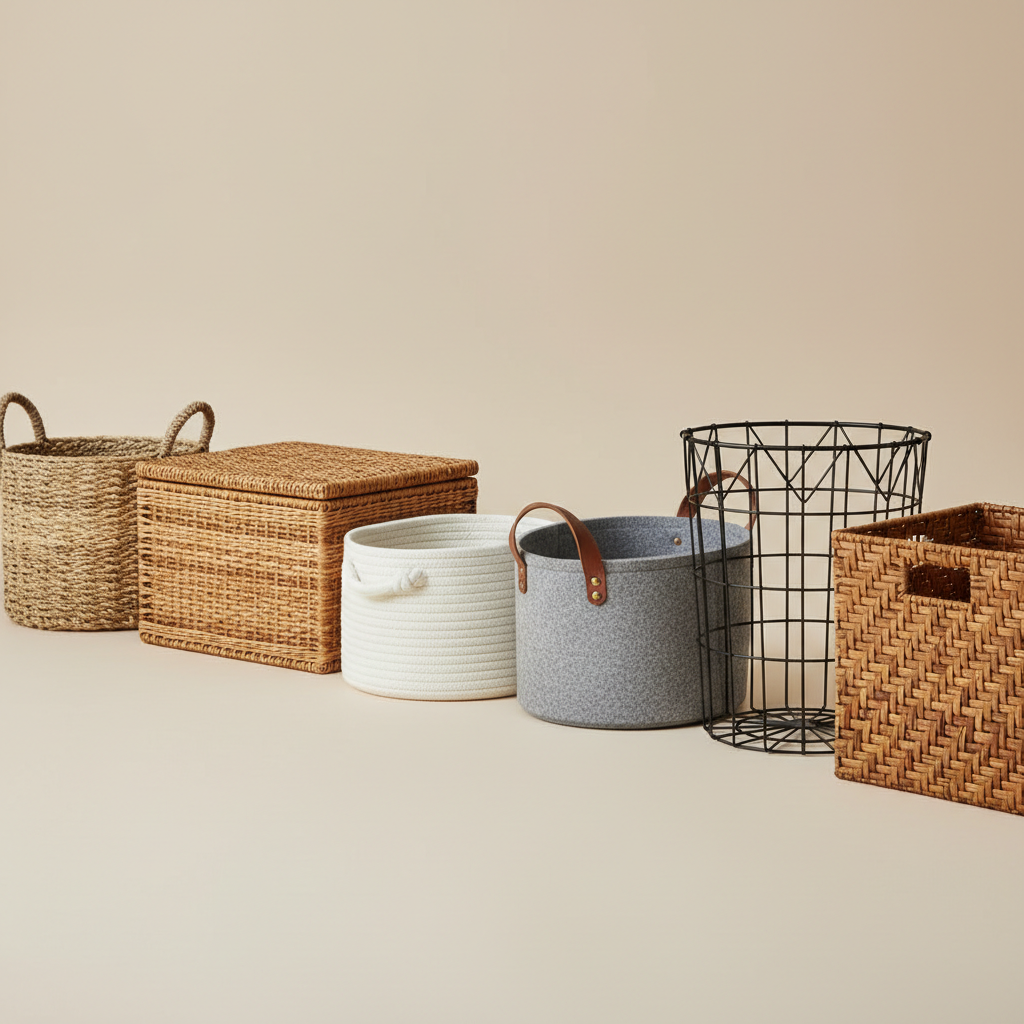
A quick self-check: which basket style fits your clutter?
Before you shop, match the basket to the item behavior. This takes two minutes and saves a lot of “it looked cute online” returns.
- If it’s bulky and you grab it often (throws, yoga mat, stuffed animals): choose tall-ish baskets with wide openings and comfortable handles.
- If it’s small and chaotic (chargers, remotes, hair tools): choose structured baskets, ideally with a liner or tight weave so items don’t poke through.
- If it needs to stand upright (magazines, files, wrapping paper): choose rectangular or magazine-file shapes with firm walls.
- If it’s heavy (bottles, canned goods, cleaning supplies): choose reinforced fabric bins, wire, or thick resin with strong handles.
- If it’s damp or steamy sometimes (washcloths, guest towels): lean wipeable, quick-dry materials, and avoid natural fibers where water sits.
One more honest check: if you hate “putting things away,” pick baskets that work with your habits. Wide openings beat tight lids for daily use, even if lidded baskets look tidier.
Room-by-room picks: what tends to look good and work long-term
You can absolutely use one basket type everywhere, but most homes feel better when each room gets baskets that suit how the room is used. Here are combinations that usually hold up.
Living room
- Cotton rope or structured weave for throws, it won’t scratch and feels soft next to sofas.
- Low rectangular baskets for coffee table shelves, good for remotes and coasters.
- Lidded rattan when you want visual calm, especially if your shelves look busy.
Entryway
- Stiff handled baskets for shoes, hats, dog leashes, because they get tugged daily.
- One “drop zone” basket for mail and keys, small enough that it forces quick sorting.
Bathroom
- Resin or plastic weave for under-sink storage, it wipes clean easily.
- Small bamboo trays + baskets for countertop grouping, but keep them out of constant splash zones.
Kids’ rooms and nurseries
- Soft rope baskets for toys, fewer sharp edges and quieter when tossed around.
- Label-friendly fabric bins for cube shelves, makes cleanup more realistic.
Pantry and laundry
- Wire baskets with liners for visibility, especially if you rotate snacks often.
- Large resin baskets for laundry supplies, sturdy and less fussy around spills.
How to choose size, shape, and handles (the part most people skip)
Even when you pick the right material, proportions can break the whole thing. This is where “best decorative baskets for storage and decor” becomes a measurement game.
- Measure your space first: shelf width, depth, and height, then leave a little clearance so baskets slide out without scraping.
- Pick a repeatable size for open shelving: two to four matching baskets tends to look more intentional than six different ones.
- Handle reality check: if the basket will be pulled from a high shelf, side handles matter more than you think.
- Don’t oversize everything: huge baskets invite junk-drawer behavior, especially in living rooms.
For high-traffic spots, structure beats floppiness. If you like the look of soft baskets, choose ones with reinforced rims or hidden frames.
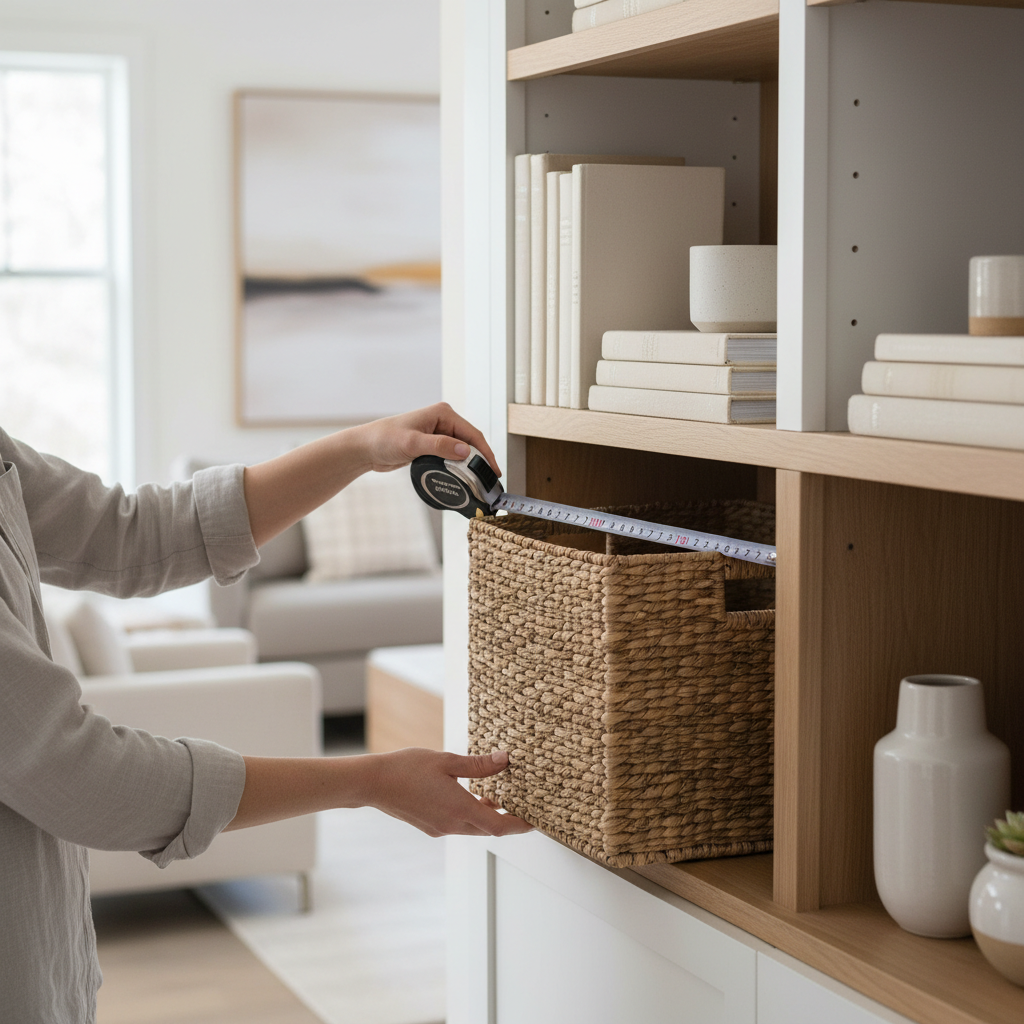
Practical styling: making baskets look like decor, not clutter buckets
If you’ve ever lined up baskets and still felt the room looked messy, it’s usually because the baskets aren’t “anchored” visually.
- Group by finish: keep undertones consistent, warm (tan, honey, camel) or cool (gray, black, crisp white).
- Use a base layer: place baskets on a tray, a lower shelf, or next to a plant so they read as part of a vignette.
- Mix textures, not chaos: one woven basket + one smooth bin + one metal basket can work if the colors repeat.
- Let one basket be the “statement”: oversized weave, leather handles, or a patterned fabric, then keep the rest quieter.
Small trick that works: if your baskets live on open shelving, put the “ugliest” items inside a smaller pouch or inner bin, then place that inside the basket. You get function without visual noise.
Common mistakes (and what to do instead)
Most basket shopping mistakes feel small until you live with them for a week.
- Mistake: buying natural woven baskets for damp zones. Better: wipeable resin in the cabinet, save natural fibers for dry shelves.
- Mistake: ignoring interior snag risk. Better: choose tight weave or add a fabric liner for blankets and sweaters.
- Mistake: mixing too many shapes on one wall. Better: repeat one rectangle size, then add one contrasting round basket on the floor.
- Mistake: choosing baskets without a “home.” Better: assign a category per basket, even if it’s broad like “charging stuff.”
- Mistake: overloading handles. Better: if it’s heavy, pick thick handles or plan to slide it out from beneath.
Key takeaway: the best decorative baskets for storage and decor usually win because they make your daily reset easier, not because they look perfect in a listing photo.
When it’s worth getting expert help or changing the plan
If your clutter keeps returning no matter how many baskets you add, you may be dealing with a space-planning problem, not a basket problem. A professional organizer or interior designer can help if you’re reworking storage zones, especially in small apartments or busy family homes where categories overlap.
For safety, avoid placing heavy baskets on high shelves where they might fall, and if you’re storing anything that could be hazardous around kids or pets, it’s smart to ask a qualified professional about safer storage options for your specific home setup.
Conclusion: a simple way to buy smarter this week
When you shop for decorative baskets with a clear job in mind, you end up with pieces that earn their spot, and you stop re-buying the same idea in different shapes. Measure the space, pick the material that matches your room conditions, then commit to one or two repeatable sizes.
If you want a low-effort next step, walk through your home and choose two clutter categories you’re tired of seeing, then buy baskets just for those. You’ll feel the difference fast, and your “decor” starts looking like it has a plan.
FAQ
- What are the best decorative baskets for storage and decor in small spaces?
Look for rectangular, structured baskets that fit shelves precisely, plus one taller floor basket for bulky items. Small homes usually benefit more from consistent sizing than from mixing lots of styles. - Are woven baskets sanitary for bathrooms?
They can be fine in drier bathrooms, but in humid spaces they may hold moisture longer than resin or metal. If towels go in slightly damp, wipeable baskets tend to be easier to maintain. - How do I keep baskets from looking cluttered on open shelves?
Limit what shows at the top, and use inner pouches or smaller bins for tiny items. Repeating the same basket finish across the shelf also calms the look. - Do I need lids on storage baskets?
Lids help visually, but they also add friction to daily habits. Many people do better with open baskets for everyday categories and lidded baskets for back-stock or “rarely used” items. - What basket material holds up best for kids’ toys?
Cotton rope and reinforced fabric bins usually handle rough use well and are gentler on hands. If you need wipeability, resin can be practical, especially for craft supplies. - How many baskets should I buy at once?
Start with 2–4 in one size for a single zone, then adjust after a week of use. Buying an entire set upfront can backfire if the sizing is slightly off. - Can decorative baskets damage shelves or floors?
Wire and some rough weaves can scratch surfaces. Felt pads, liners, or choosing smoother finishes reduces the risk, especially on wood shelves or hardwood floors.
If you’re trying to find baskets that match your shelves, your room humidity, and the specific clutter you’re hiding, it can be easier to work from a short list of sizes and materials, then shop within those guardrails instead of browsing endlessly and hoping it works out.