
Small space storage ideas for renters usually come down to one thing: getting your stuff under control without drilling holes, painting walls, or doing anything that risks your security deposit. The good news is you can add a surprising amount of storage with removable hardware, better layout decisions, and a few “why didn’t I do this earlier” habits.
If your place feels tight, it’s rarely because you own too much “in general”, it’s because the storage you do have isn’t working for your daily flow. Shoes pile up by the door, kitchen items sprawl across counters, and closets become black holes. That’s the kind of clutter that makes a studio feel like half its size.
This guide focuses on realistic renter constraints: removable solutions, flexible furniture, and room-by-room moves that don’t require tools or landlord approval. You’ll also get a quick self-check, a comparison table, and a short “do this this weekend” plan.
Why small rentals feel messy so fast (and what’s actually happening)
In many apartments, the “storage math” is brutal: you have the same categories of belongings as someone in a larger home, but fewer closets, fewer cabinets, and less wall area you can permanently modify. That mismatch forces items into visible zones, which makes everything feel chaotic.
- Flat surfaces become default storage. Counters, nightstands, and the top of the dresser turn into drop zones because they’re convenient.
- Closets aren’t configured for your life. One builder-grade rod and a shelf rarely fits modern wardrobes, hobby gear, or bulky bedding.
- You’re paying for “air”. Vertical space above doors, under beds, and over cabinets often sits unused, even though it’s prime territory.
- Items don’t have a parking spot. When something doesn’t have an obvious home, it migrates, and then duplicates get purchased “because I can’t find it.”
According to U.S. Consumer Product Safety Commission (CPSC), tip-over accidents can be a serious hazard in homes, so as you add storage furniture, anchoring tall pieces is worth considering. In a rental, that may mean asking the landlord, using approved hardware, or choosing lower, wider pieces when anchoring isn’t possible.
A quick renter self-check: which storage problem do you really have?
Before buying bins, get clear on your bottleneck. Different problems need different fixes, and the wrong “organizing spree” wastes money fast.
- If your floor feels crowded: you need vertical storage and fewer freestanding items competing for walking paths.
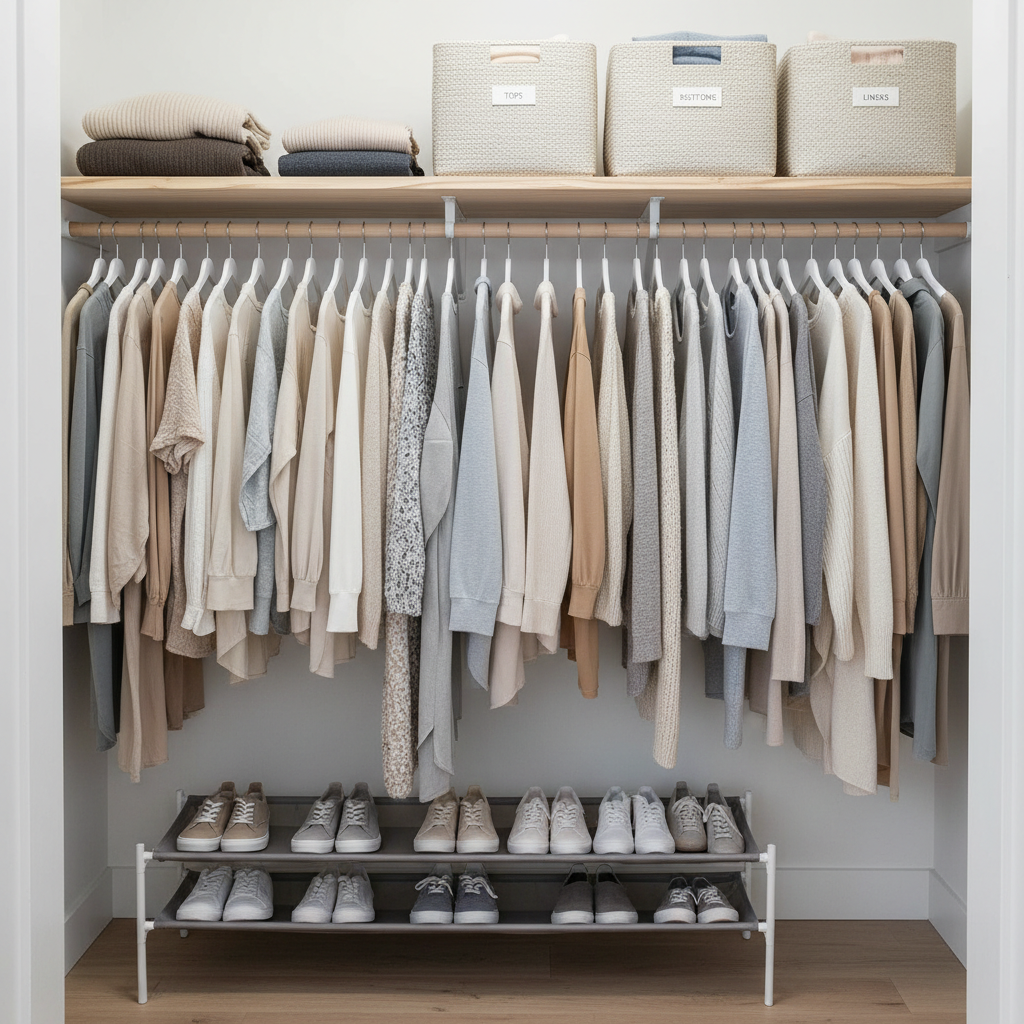
- If closets overflow: you need better closet “infrastructure” (second rod, shelf risers, slim hangers) or offloading seasonal items elsewhere.
- If you’re always tidying surfaces: you need drop-zone rules and closed storage near where clutter lands.
- If you forget what you own: you need visible categories (clear bins, labels, open shelves) or a simple inventory system.
- If it still feels tight after organizing: you may need to reduce duplicates or keep only “prime real estate” items accessible.
Keep this in mind as you try small space storage ideas for renters: the goal isn’t perfect aesthetics, it’s fewer decisions every day.
No-drill, deposit-safe upgrades that make a big difference
Renter-friendly usually means removable, non-damaging, or easily patched. These options tend to give the best payoff without turning your lease into a negotiation.
Use removable wall and door systems (strategically)
- Over-the-door organizers for pantry items, cleaning supplies, hair tools, or shoes, best when items are lightweight and you can still close the door smoothly.
- Removable hooks for keys, bags, dog leashes, and hats near the entry, so “drop zone” clutter doesn’t spread.
- Tension rods under sinks for spray bottles, in closets for extra hanging, or in a nook for a light-duty curtain to hide storage.
Add “structure” inside cabinets and closets
- Shelf risers to double cabinet capacity for plates, mugs, or pantry goods.
- Under-shelf baskets for small items that otherwise disappear into the back.
- Stackable bins to create zones: backstock, snacks, baking, coffee, etc.
One detail people miss: measure first, then buy. In tight rentals, an inch matters, and “close enough” bins often become wasted space you keep dragging around.
Room-by-room small space storage ideas for renters
Think in zones, not rooms. You’re solving the same behaviors everywhere: where things land, where they’re used, and where they should be put away.
Entryway (even if you only have 2 feet)
- Wall hook rail (removable) for keys and bags, placed at arm height so it’s automatic.
- Slim shoe cabinet or vertical shoe rack to stop the shoe pile from becoming permanent.
- Catch-all tray for mail, so it doesn’t spread across the kitchen counter.
Living room
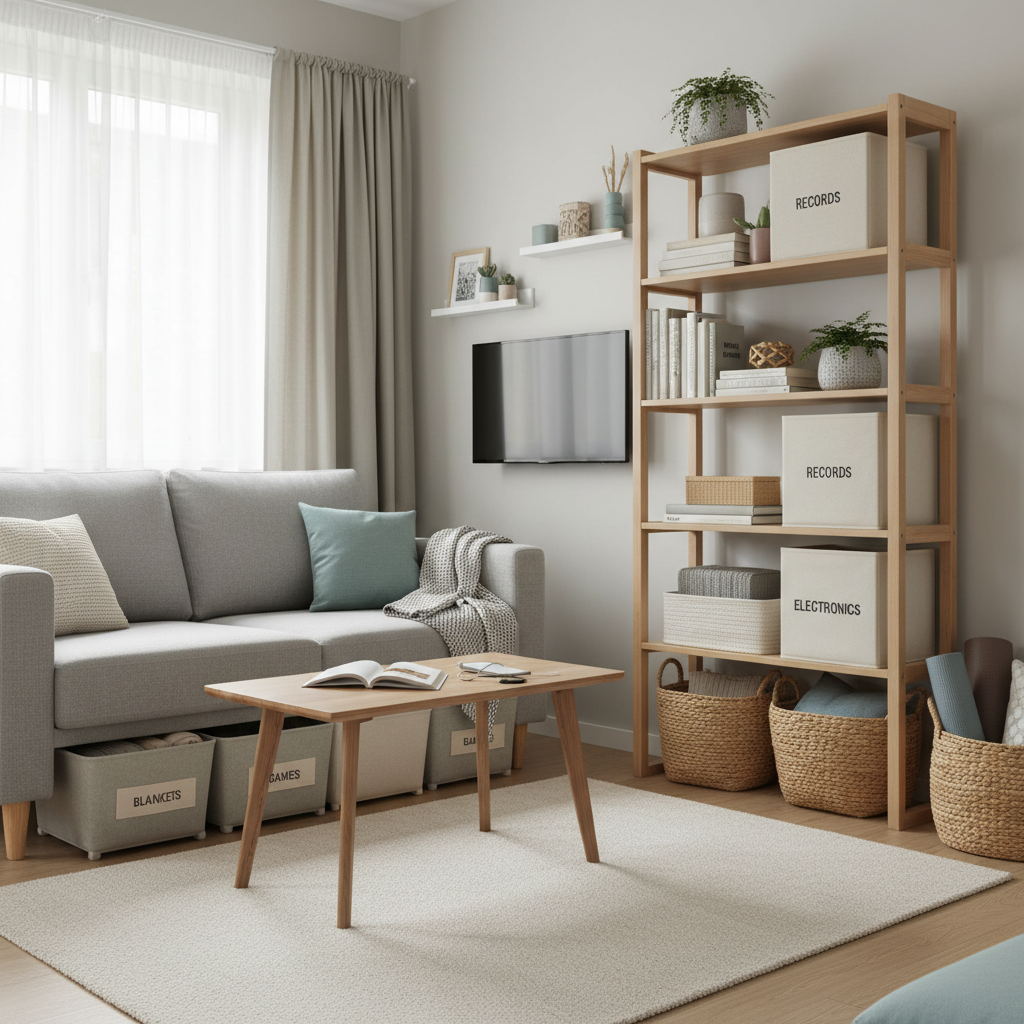
- Storage ottoman for throws, games, and chargers, useful if you’re short on closets.
- Console table with closed baskets behind a sofa, great for hiding daily clutter while keeping it reachable.
- Bookcase as a “wall” in studios, creating a storage divider without construction.
Bedroom
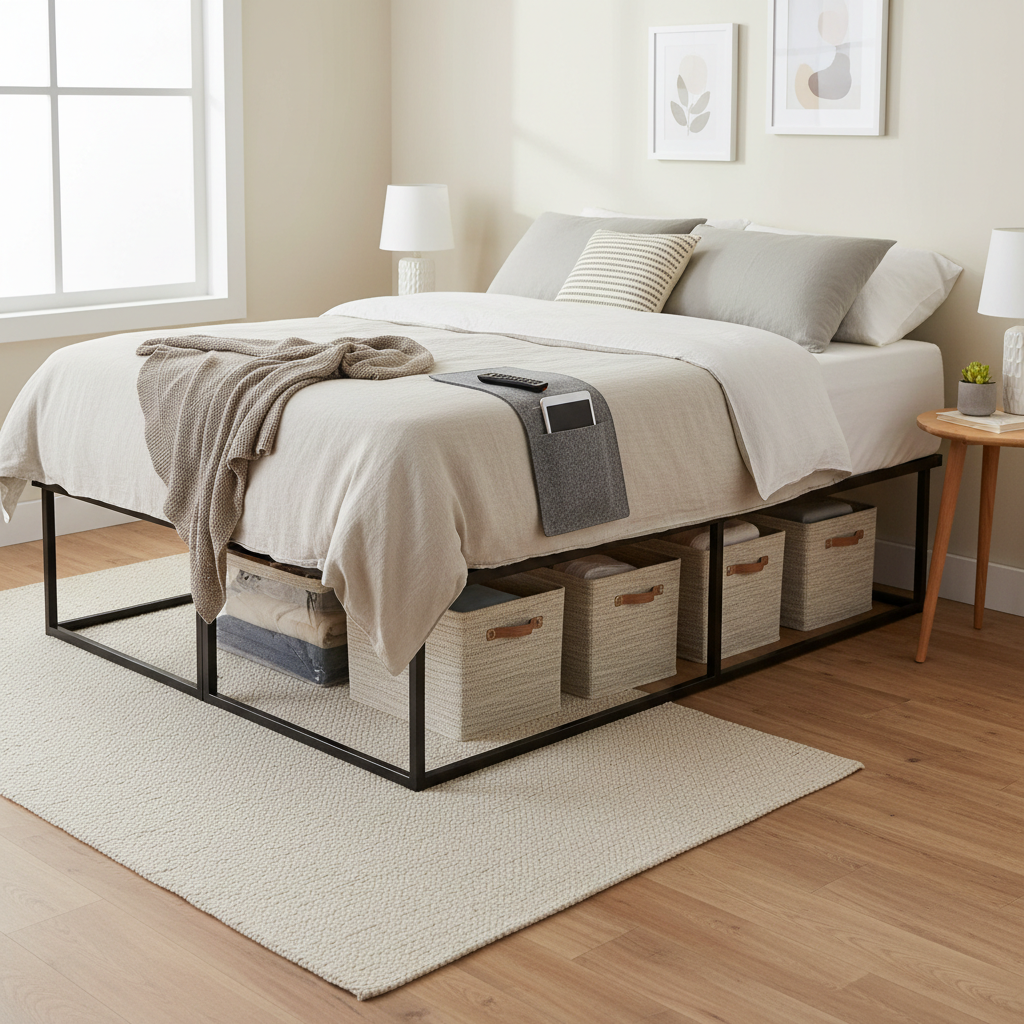
- Under-bed bins for off-season clothes and extra linens, label the short side so you can read it while kneeling.
- Bed risers if you need more clearance, but watch stability and keep heavier items centered.
- Over-closet-door hooks for belts, scarves, and jackets you actually wear.
Kitchen
- Magnetic strip or rack for lightweight tools if your lease allows adhesive mounting, otherwise use a countertop vertical organizer.
- Pantry zones with bins so categories don’t collapse into chaos, especially snacks and breakfast items.
- Use the “awkward cabinet” for appliances you rarely use, not daily plates.
Bathroom
- Under-sink bins by category: hair, skin, first aid, cleaning.
- Shower caddy that hangs if built-in ledges are tiny, keeps bottles off the floor and easier to clean.
- Back-of-toilet shelf unit if you’re short on cabinets, but keep it stable and not overloaded.
These small space storage ideas for renters work best when you pair them with one rule: if an item lives in a room, it should also be put away in that room, otherwise it migrates.
Smart furniture choices that add storage without feeling bulky
In a rental, furniture does double duty: it’s storage, layout control, and sometimes even a room divider. The trick is avoiding pieces that visually eat the space.
- Go vertical and slim: tall, narrow shelving often feels lighter than wide, low pieces.
- Pick closed storage for messy categories: cables, kids’ items, and hobby supplies look calmer behind doors or in lidded boxes.
- Choose legs over “floor-hugging” blocks: furniture with clearance lets light through and makes rooms feel less cramped.
- Folding and nesting pieces: a drop-leaf table or nesting side tables can replace a bulky dining setup.
Safety note: if you have kids or pets, avoid top-heavy shelving in high-traffic paths. If anchoring isn’t feasible, consider shorter units or place heavier items on bottom shelves.
Compare your options: what’s best for renters?
If you’re deciding what to buy first, this quick table helps. You’ll notice the best picks are flexible and easy to move to your next place.
| Solution | Best for | Typical renter impact | Watch-outs |
|---|---|---|---|
| Over-the-door organizer | Small items, shoes, pantry goods | No drilling, fast setup | Door may not close well, can scuff paint |
| Tension rod | Extra hanging, under-sink storage | Removable, inexpensive | Slips if overloaded, measure carefully |
| Under-bed bins | Seasonal storage, linens | Hidden storage, zero wall impact | Needs clearance, labeling matters |
| Freestanding shelving | Vertical storage, studio zoning | Moves with you, high capacity | Tip-over risk if tall, can look busy |
| Storage ottoman/bench | Living room clutter, entry shoes | Dual-purpose furniture | Can become “junk drawer” if unmanaged |
A simple weekend action plan (so this actually gets done)
If you want progress fast, don’t reorganize the entire apartment. Pick one “pain zone” and make it functional, then repeat next weekend.
- Step 1: Choose one zone. Entry clutter, under-sink chaos, or the closet you dread opening are good candidates.
- Step 2: Pull everything out and group by category. If you can’t name the category, it’s usually clutter.
- Step 3: Set a capacity limit. One bin for cords, one shelf for mugs, one drawer for workout gear, then stop.
- Step 4: Add the right “container” last. Buy only what fits the measured space and the decided capacity.
- Step 5: Label what you want to keep stable. Labels reduce decision fatigue, especially with roommates.
Key takeaways: Use vertical space, create drop zones, and prioritize movable upgrades. The best small space storage ideas for renters are the ones you’ll maintain on a tired Tuesday, not the ones that look perfect on day one.
Mistakes that waste money (and how to avoid them)
- Buying bins before sorting. You end up organizing clutter more neatly, which still feels like clutter.
- Storing daily items too high. If it’s used every day, it needs to live between waist and eye level.
- Ignoring “friction”. If returning an item takes two hands and three steps, it won’t happen consistently.
- Overusing open shelves. Open storage can look great, but for many households it becomes visual noise unless you keep categories tight.
- Forgetting move-out reality. Adhesives, hooks, and liners vary, test in an inconspicuous area and follow product directions.
According to Federal Trade Commission (FTC), consumer product labels and instructions matter for safe use, which is boring until it saves your walls. When in doubt, follow manufacturer removal guidance and patching recommendations, or check your lease for specifics.
Conclusion: a calmer home without “permanent” changes
Most renters don’t need a total lifestyle reset, they need a few storage decisions that match real life: where shoes land, where packages get opened, where laundry waits. Once those hotspots have a clear home, the whole place feels bigger.
If you do one thing this week, pick a single zone and set a capacity limit before you buy anything. Then add one renter-safe upgrade that makes putting things away easier than leaving them out.
If you’re stuck choosing between options, focus on the pieces you can take to your next apartment, that’s where renter-friendly storage really pays off.