
Urban modern home decor ideas for 2026 lean less on “all-gray everything” and more on warmth, texture, and pieces that earn their space in smaller, busier homes.
If your place looks fine in photos but feels awkward day to day, it’s usually a layout or lighting problem, not a “you need new furniture” problem. Urban style is unforgiving like that, clean lines show every mismatch, and open-plan rooms highlight clutter fast.
This guide breaks down what’s actually changing in 2026, how to spot which direction fits your home, and what to buy, move, or stop doing so your space reads modern without feeling sterile.
What “urban modern” looks like in 2026 (and what it’s moving away from)
Urban modern still means edited, functional, and city-ready, but the vibe shifts toward lived-in comfort. Think matte finishes over glossy, rounded edges over sharp angles, and fewer tiny decor items that collect dust and visual noise.
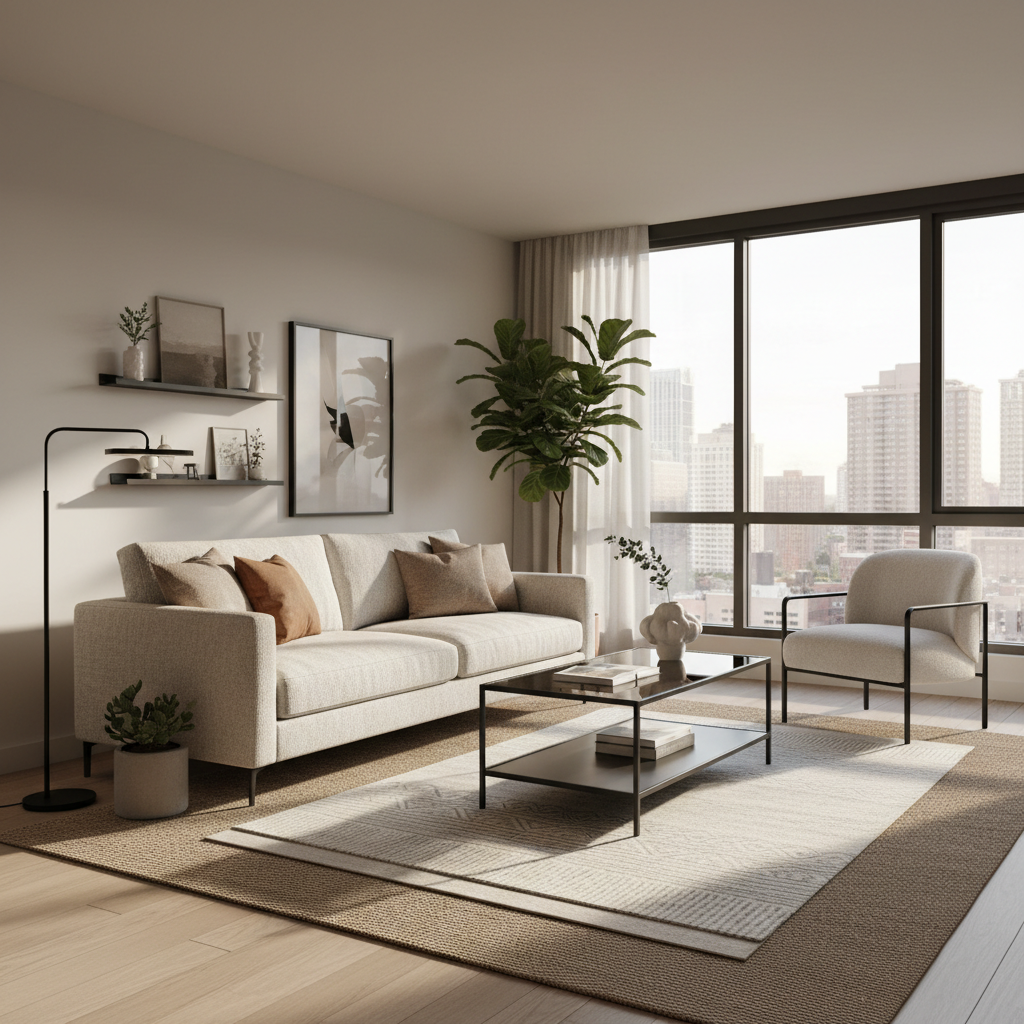
What’s fading: overly matchy sets, bright white LEDs, and “industrial” that looks like a themed restaurant. What’s staying: black framing, practical storage, and a tight palette, just with more texture and soft contrast.
According to the American Society of Interior Designers (ASID), wellness and sustainability continue to influence residential design, which in real homes often shows up as better lighting choices, lower-VOC finishes, and fewer disposable trend buys.
Start with the room’s bones: layout, negative space, and sightlines
Most people chase decor before solving flow. In urban apartments, that usually backfires because every extra piece steals walking space and makes the room feel smaller.
- Give each room one “hero” function: lounge, work, dine, or sleep, then support it. Hybrid is fine, but avoid three competing focal points.
- Protect a clear path: if you constantly sidestep a chair, it’s not “cozy,” it’s a traffic problem.
- Use negative space on purpose: leaving one wall or corner quieter makes everything else look more intentional.
A simple test: stand at your entry and take a photo. If your eye doesn’t know where to land, you need fewer objects, stronger contrast, or a clearer focal anchor.
Color and materials: warm neutrals, soft blacks, and real texture
For 2026, a reliable urban-modern palette looks like warm off-white, sand, camel, and clay, grounded with charcoal or softened black. The point is contrast without harshness.
Materials do most of the heavy lifting because modern rooms can look flat fast. Mix at least three textures per room, for example: boucle + wood grain + matte metal, or linen + plaster look + leather.
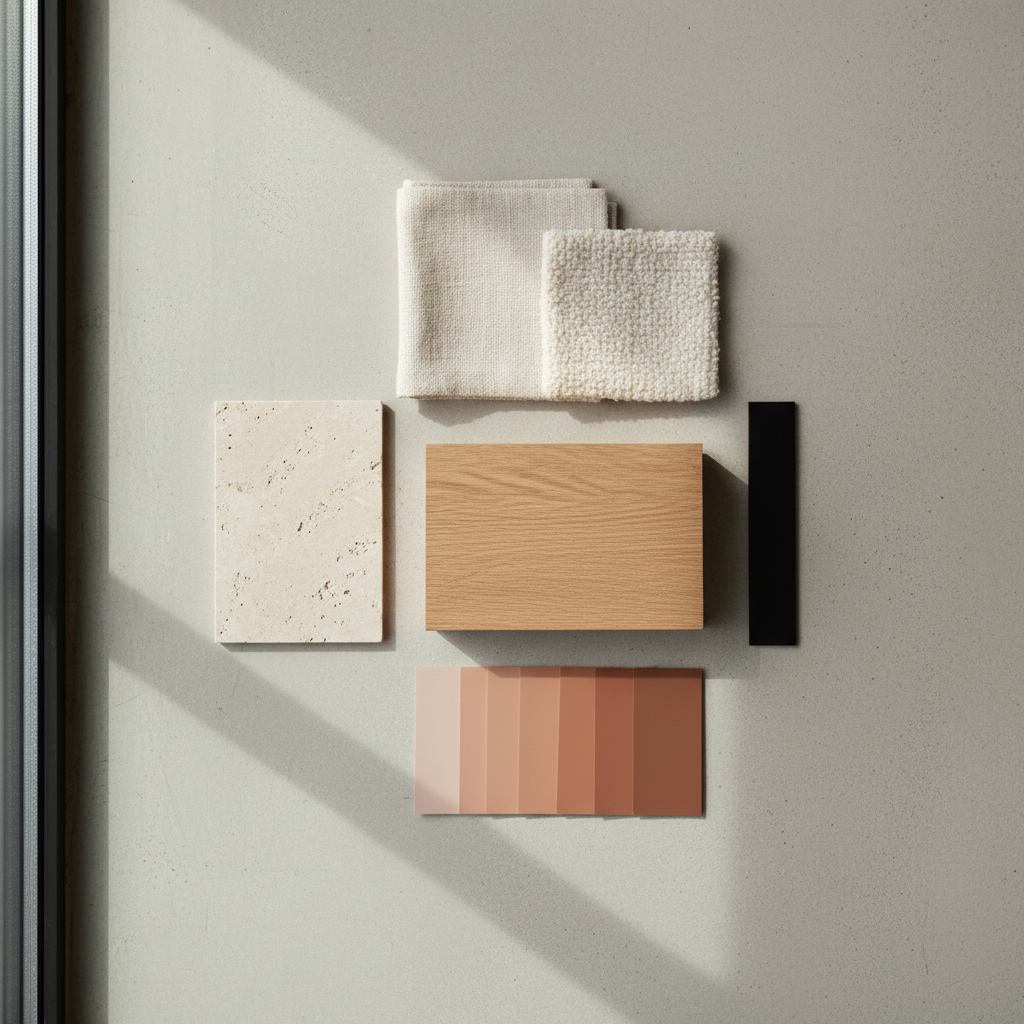
Quick rule: if a room has lots of hard surfaces (glass, metal, painted walls), add softness through curtains, rug, and upholstered seating before buying more decor.
If you’re painting, many urban spaces benefit from a “not-quite-white” on walls and a slightly deeper tone on trim or an accent zone, but test in your lighting. Paint can swing wildly under different bulbs and daylight.
Lighting is the upgrade that makes everything else look expensive
If you do one practical change from most urban modern home decor ideas, make it lighting. Cheap overhead light makes nice furniture look tired, while layered lighting can make budget pieces feel intentional.
- Layer it: ambient (ceiling), task (reading/work), and accent (wall wash, shelf, art).
- Choose warmer bulbs: many living spaces feel better around warm white, but pick what suits your finishes and how you use the room.
- Add dimming: plug-in dimmers and smart bulbs are often the easiest renter-friendly win.
Safety note: if you’re swapping fixtures, especially in older buildings, it’s usually wise to consult a licensed electrician. Wiring surprises are common, and not worth guessing.
Furniture and scale: fewer pieces, better proportions
Urban modern reads “adult” when the scale works. The most common mistake is buying small pieces to “save space,” which often makes the room look like a showroom of random items.
Use this sizing logic
- Sofa: go as large as your wall and walkways allow, then keep side tables slimmer.
- Rug: big enough that at least front legs of key seating sit on it, otherwise the room floats.
- Coffee table: roughly two-thirds the sofa length, with comfortable reach.
In 2026, curved silhouettes keep showing up because they soften boxy layouts and feel more relaxed. You don’t need a curved sofa, sometimes one rounded chair or an oval coffee table does the job.
Decor that doesn’t clutter: art, textiles, and “one bold move”
Urban modern decor works best when you commit to fewer, larger statements. Lots of small frames and tiny objects can read like visual static, especially in open-plan spaces.
- Art: one large piece or a tight set of 2–3 works better than a scattered gallery, unless you’re very consistent with framing.
- Textiles: curtains with real presence, a thick rug, and one tactile throw usually beat five decorative pillows.
- Greenery: one floor plant plus one smaller plant is often enough; use simple planters in stone or matte ceramic.
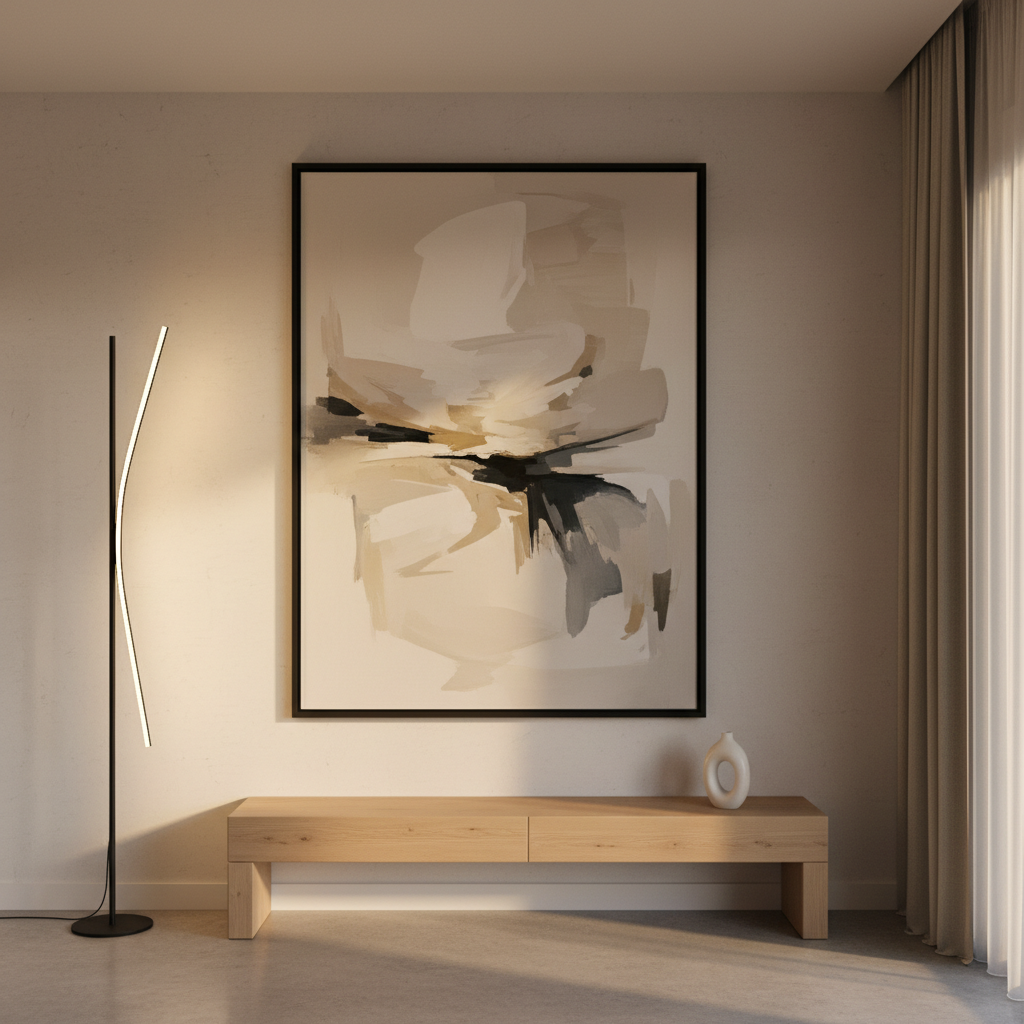
One bold move can be a statement pendant, a saturated accent chair, or a dramatic textured wall finish. The trick is making it the only loud voice in the room.
Practical upgrade plan (by budget) + a quick reference table
If you want results fast, pick one “foundation” upgrade and one “finish” upgrade, then stop. That restraint is basically the secret sauce of urban modern.
Under $200 (quick wins)
- Swap bulbs to warmer, consistent color temperature across the room
- Add a larger rug (even a well-sized budget rug changes the room)
- Upgrade hardware: matte black or brushed nickel pulls can modernize storage
$200–$1,000 (noticeable transformation)
- Replace one “meh” light fixture or add a strong floor lamp
- Buy one large art piece or mirror with a simple frame
- Invest in curtains that reach close to ceiling height
$1,000+ (foundation changes)
- Replace the sofa, or upgrade to a better bed and headboard
- Repaint with a cohesive palette, including trim strategy
- Add built-in looking storage or modular shelving
| Goal | What to change | What to avoid |
|---|---|---|
| Look more modern fast | Lighting layers + simplified palette | More small decor items |
| Make a small room feel bigger | Bigger rug + clearer walking paths | Too many small furniture pieces |
| Add warmth without “farmhouse” | Wood tones + textured textiles | Overly rustic finishes |
| More elevated, less cluttered | One bold focal point + hidden storage | Open shelving everywhere |
Common mistakes (and the fixes that actually work)
- Everything is black and white: add one mid-tone (camel, taupe, clay) and one texture (boucle, wool, wood grain).
- “Industrial” goes too cold: keep metal accents, but balance with warm bulbs and textiles that absorb sound.
- Too many open shelves: mix open and closed storage, and group items in larger clusters instead of single objects.
- Buying trends before measuring: measure wall width, rug target size, and clearance around doors, the returns are immediate.
Key takeaways
- Urban modern in 2026 is cleaner, warmer, and more textured than the last wave of minimalist gray.
- Fix layout and lighting before shopping, it prevents expensive “almost right” rooms.
- Choose fewer, larger decor moves, then let negative space do its job.
Conclusion: make it modern, then make it livable
Most urban modern home decor ideas work when you treat your home like a system: flow, light, and a tight material story, then a couple of confident finishing touches. If you’re unsure where to start, pick one room, decide its main job, and do the lighting pass before anything else.
If you want an easy next step, take three photos of your room from the same angles and compare after each change, it keeps you honest and stops impulse buys from taking over.
FAQ
- What colors are trending for urban modern interiors in 2026?
Warm neutrals with soft contrast show up often: off-white, sand, clay, camel, plus charcoal or softened black. Many homes add a muted accent rather than a bright pop. - How do I make my apartment look urban modern without remodeling?
Prioritize lighting, rug size, and one statement art piece. Those three changes usually shift the “feel” more than swapping multiple small accessories. - Is industrial decor still part of urban modern style?
It can be, but in many cases it’s more restrained: matte metal, simple lines, fewer raw-barn materials. If the room feels cold, add warmer lighting and textiles before adding more metal. - What’s the biggest mistake with urban modern home decor ideas?
Buying lots of small decor because the room feels empty. Often the room needs a larger rug, better lighting, or a single focal piece, not more objects. - How do I choose art for an urban modern living room?
Go larger than you think, keep frames simple, and repeat one or two colors from your palette. If you’re indecisive, one oversized piece is usually easier than building a gallery wall. - What kind of lighting looks best in urban modern spaces?
Layered lighting with warm bulbs and dimming where possible. A sculptural floor lamp or pendant can double as decor while improving the room’s mood. - When should I hire a designer or contractor?
If you’re reworking electrical, moving plumbing, or committing to built-ins, it’s often worth professional input. For layout confusion, even a short consult can save you from buying the wrong sizes.
If you’re trying to pull together an urban modern look but keep second-guessing scale, lighting, and finishes, a simple room plan and a short shopping list can be a more realistic approach than endlessly saving inspiration photos.