
Best eco friendly laundry detergent for home sounds simple until someone in the house starts itching, breaking out, or getting that “why do my clothes feel scratchy?” feeling after laundry day. If you have sensitive skin, eczema-prone kids, fragrance-triggered headaches, or you just want a cleaner ingredient approach, detergent choice matters more than most people expect.
What makes this tricky is that “eco friendly” and “gentle” are not the same promise. Plenty of greener detergents still use fragrance blends, strong surfactants, or essential oils that can bother reactive skin. And some “free & clear” options clean poorly, so you compensate by overdosing, which can leave more residue and backfire.
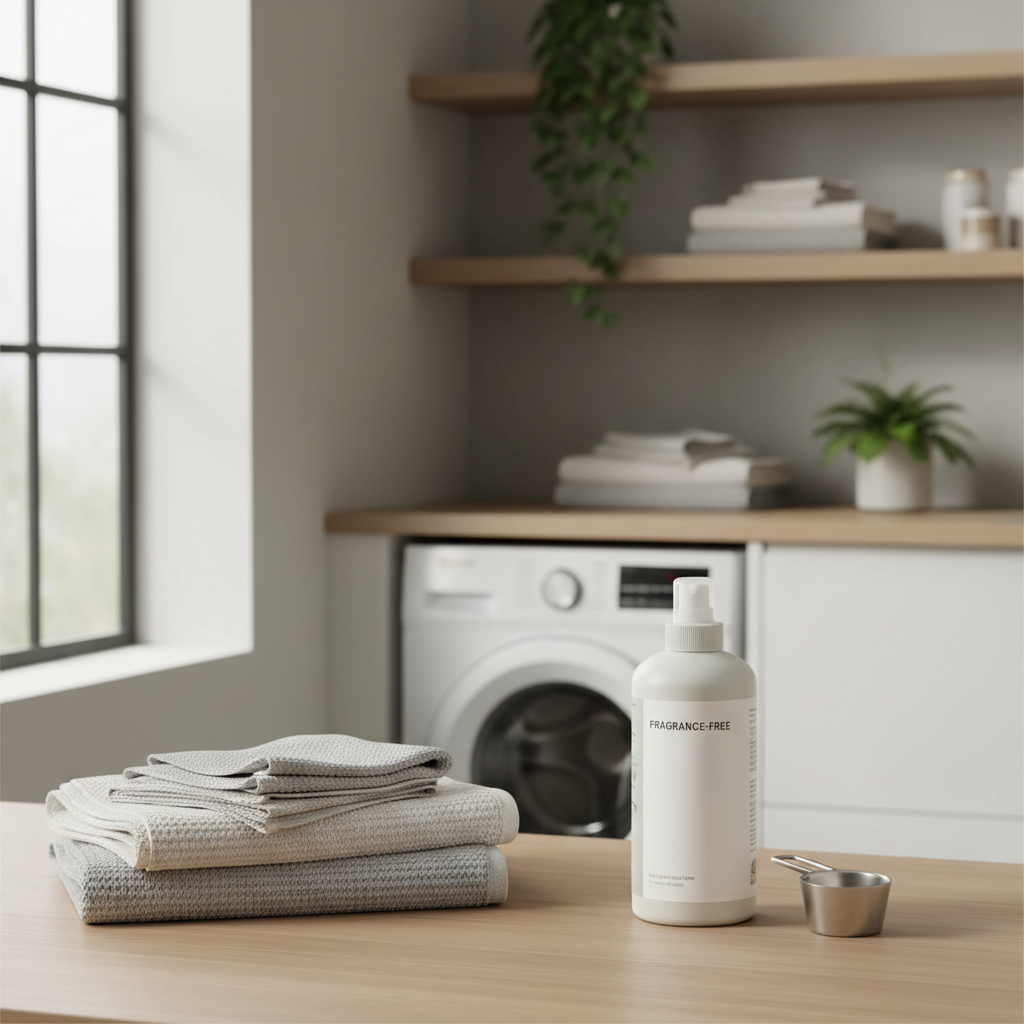
This guide walks through what typically irritates sensitive skin, how to read labels without getting lost, and how to pick a detergent that fits your home: hard water, high-efficiency machines, workout clothes, baby laundry, and more. I’ll also share a quick comparison table and a simple troubleshooting routine if symptoms keep showing up.
What “eco friendly” and “sensitive skin” usually mean (and where labels mislead)
In the U.S., detergent marketing can be… optimistic. “Natural,” “green,” and even “hypoallergenic” often lack a single universal standard across all brands, so you still need to check the formula and how you use it.
Here’s the practical translation most households need:
- Eco friendly usually points to biodegradability, plant-derived surfactants, concentrated formulas, and sometimes better packaging. It does not automatically mean “no irritation.”
- Sensitive skin-friendly usually means fewer common triggers: minimal fragrance, fewer dyes, and less residue risk when rinsed correctly.
- “Free & clear” is often a better starting point than “fresh scent,” but some products still include masking fragrance or botanical extracts.
According to the American Academy of Dermatology Association, fragrance is a common cause of contact dermatitis, and avoiding fragrance in skin-contact items (including laundry products) can help some people reduce flares.
Common irritants in laundry detergents (especially for reactive skin)
If you’re hunting for the best eco friendly laundry detergent for home and you’re prioritizing sensitive skin, these are the usual suspects that cause problems in real life.
Fragrance (including “natural fragrance” and essential oils)
Fragrance is the big one. Even when a scent comes from essential oils, it can still irritate or trigger a reaction for some people. “Unscented” can also be confusing, because some formulas add masking scent to cover raw ingredient odor.
Dyes and optical brighteners
Brighteners are designed to make fabrics look whiter or brighter, but they can leave residues. Dyes are less common in free-and-clear products, yet they still show up in some “eco” lines.
Harsh surfactants and boosters
Surfactants are the cleaning agents. Many modern detergents use blends, and “plant-based” does not automatically mean “non-irritating.” Strong alkalinity boosters or high concentrations can also bother skin when dosing runs heavy.
Residue from overdosing or poor rinsing
This is the sneaky one. A decent formula can feel irritating if it isn’t rinsing well, especially in hard water, overloaded washers, or when you use too much product.
Quick self-check: are your laundry products likely causing irritation?
You don’t need to diagnose anything on your own, but you can usually narrow the cause fast. If any of these sound familiar, it’s worth adjusting detergent choice or wash routine.
- Itchiness shows up where clothing sits tight (waistbands, socks, sports bras), which often points to residue.
- Rash appears after wearing freshly washed items and calms on days you wear older, already-rinsed clothes.
- Towels feel “waxy” or stiff, a common hard-water + overdosing combo.
- Scent lingers strongly after drying, which can mean fragrance load or too much detergent.
- Skin reacts to “clean” sheets, especially if you use scent boosters or dryer sheets.
If symptoms are severe, persistent, or include swelling or breathing issues, it’s safer to seek medical advice. Skin reactions can overlap with many causes, and laundry is only one piece.
How to choose the best eco friendly laundry detergent for home (without overthinking it)
When you shop, your goal is boring: clean clothes, minimal residue, fewer triggers, and a footprint you can feel okay about. Here’s a simple way to evaluate options.
What to look for on the front label
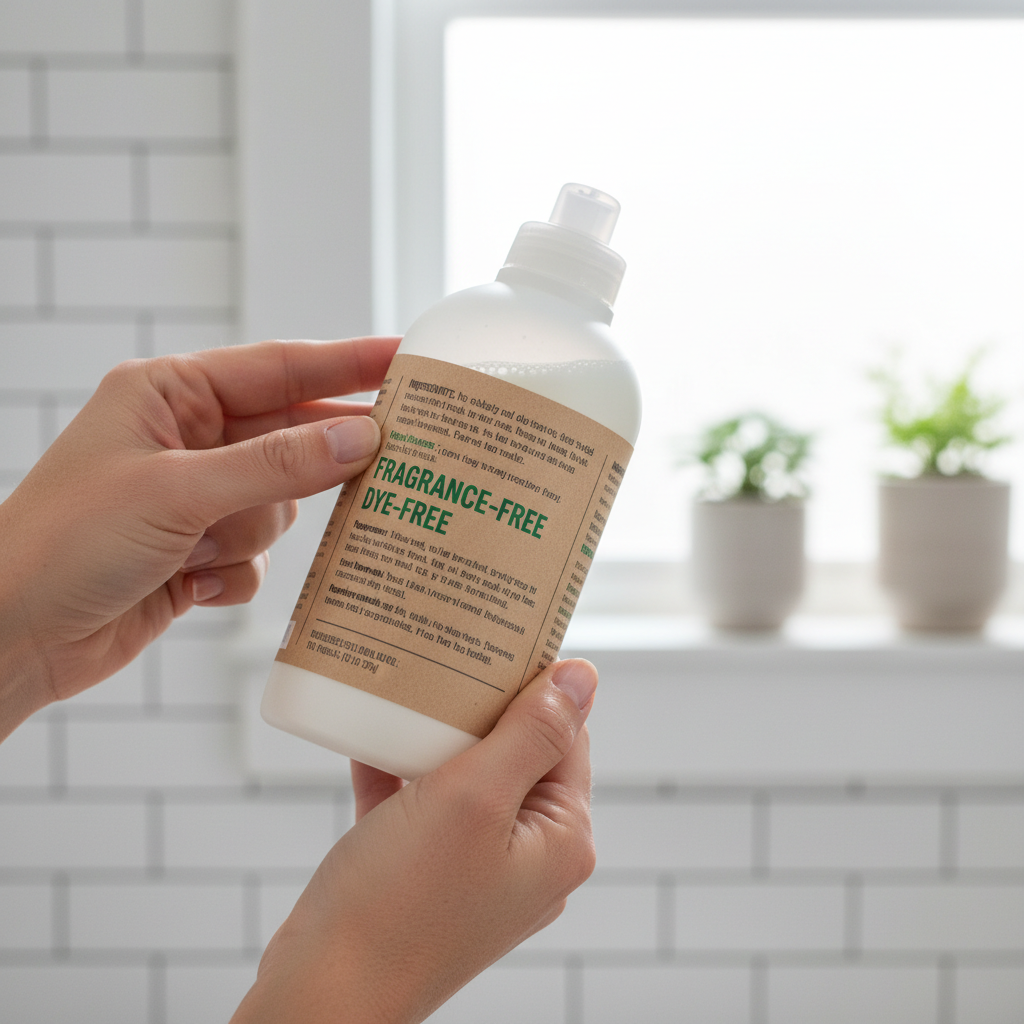
- Fragrance-free (ideally not just “unscented”)
- Dye-free
- HE-compatible if you have a high-efficiency washer
- Concentrated formula (often means less packaging and less overdosing)
What to scan for in the ingredient approach
- A short ingredient list, or at least clear disclosure
- No added optical brighteners if your skin is reactive
- Enzymes: helpful for stains, but some very sensitive users prefer enzyme-free; this varies by person
According to the U.S. Environmental Protection Agency (EPA), the Safer Choice label helps identify products that meet specific criteria for safer chemical ingredients. It’s not the only way to choose, but it can be a useful filter when you’re comparing “green” claims.
Comparison table: which type of detergent fits your sensitive-skin household?
This isn’t about one “winner” for everyone. In practice, the best pick depends on your water, your washer, and the kind of laundry you do most.
| Detergent type | Best for | Potential downside | What to do |
|---|---|---|---|
| Fragrance-free liquid (concentrated) | Most households, mixed loads, everyday clothes | Easy to overdose | Use half the cap first, add an extra rinse if needed |
| Powder (minimal additives) | Hard water, odor control, towels | Can leave grit if under-dissolved | Dissolve well, avoid cold-only washes for heavy powder |
| Detergent sheets | Low-waste routines, travel, small spaces | Cleaning power varies, ingredients can be vague | Check disclosure, test on workout gear before committing |
| PODS/pacs (free & clear) | Convenience, consistent dosing | Not always adjustable for small loads | Use only for full loads; store safely away from kids |

Real-world washing steps that reduce irritation (even with a good detergent)
Even the best eco friendly laundry detergent for home can feel “wrong” if your wash habits create residue. These steps are the ones that tend to move the needle fastest.
1) Cut the dose before you switch brands
Most people use more detergent than they need, especially with concentrated formulas. Try using 50–70% of the recommended amount for typical loads, then see if odor and softness improve.
2) Add an extra rinse for bedding and underwear
Sheets and undergarments sit against skin for hours, and they also trap product. If your washer has an extra rinse option, this is a low-effort test.
3) Don’t overload the drum
If water can’t move through fabric, detergent can’t rinse out. A good rule is leaving about a hand’s width at the top of the drum, though machines vary.
4) Treat stains instead of “detergent bombing”
Spot-treating stains (with a compatible, fragrance-free stain remover) usually beats pouring in extra detergent, which often creates more residue than cleanliness.
5) Re-think fabric softener and dryer sheets
Softener coats fibers. That coating can trap fragrance and irritants, and it can reduce towel absorbency. If you want softness, try wool dryer balls or simply reduce detergent and improve rinsing first.
Common mistakes that waste money (and keep skin unhappy)
- Chasing “baby” branding while ignoring fragrance. Some baby-marketed products still use scent.
- Assuming “natural” equals non-irritating. Botanical extracts can still trigger reactions.
- Switching three products at once. If you change detergent, softener, and dryer sheets together, you won’t know what helped.
- Ignoring hard water. Hard water can reduce cleaning and increase residue; a powder designed for it or a water-softening approach may help.
Key takeaways:
- Prioritize fragrance-free and dye-free over vague “green” claims.
- Residue is often the real issue, dosing and rinsing matter.
- Pick a format that fits your washer and laundry habits, not just the label.
When to consider professional help or a different approach
If irritation continues after two to three weeks of a simplified routine (fragrance-free detergent, reduced dose, extra rinse, no softener), it may be time to broaden the search. You might be dealing with a textile sensitivity, a skincare issue, or an allergy that needs proper evaluation.
According to the American Academy of Dermatology Association, patch testing may help identify allergic contact dermatitis triggers. A board-certified dermatologist or allergist can guide next steps, especially if rashes recur in the same areas or worsen.
Conclusion: a practical path to cleaner laundry and calmer skin
The “best” detergent is usually the one your household can use consistently without residue, scent overload, or mystery additives. Start with fragrance-free, dye-free, and then get strict about dosing and rinsing for a couple weeks. If that calms things down, you’ve basically solved the problem without turning detergent shopping into a hobby.
If you want one action step today, do this: pick one fragrance-free option, wash bedding with a reduced dose and an extra rinse, and see how skin feels after two nights. That single test often tells you more than reading ten labels.
FAQ
What is the best eco friendly laundry detergent for home if I have eczema?
Many people with eczema do better with fragrance-free, dye-free detergents and an extra rinse, because fragrance and residue tend to be common triggers. Since eczema triggers vary, it’s reasonable to test one change at a time and consult a clinician if flares persist.
Is “unscented” the same as fragrance-free?
Not always. “Unscented” can mean the product has masking fragrance to reduce smell, while “fragrance-free” usually indicates no added fragrance ingredients. When in doubt, check the ingredient disclosure on the brand site.
Are detergent sheets safe for sensitive skin?
They can be, but quality varies. Some sheets include fragrance or have limited ingredient transparency. If you try them, start with a small pack and test on underwear or sheets only after a few successful loads.
Do I need to avoid enzymes in detergent?
Enzymes help break down stains and can improve cleaning at lower temperatures, which may reduce the temptation to overdose. A small number of people find enzymes irritating, so if you suspect that, try an enzyme-free formula and compare results for two weeks.
Why do my towels still smell even with a “clean” detergent?
Odor often comes from buildup, hard water, or washing too cool with overloaded loads. Try less detergent, a warmer wash when fabric allows, and an extra rinse; if odor persists, consider a one-time deep clean routine specific to towels.
Can vinegar replace detergent for eco-friendly laundry?
Vinegar can help with odors and some buildup, but it isn’t a full detergent replacement for soils and body oils. If you use vinegar, use it sparingly and check washer guidance, because some manufacturers discourage frequent acidic additives.
How do I know if I’m using too much detergent?
Clues include stiff fabrics, lingering scent, soapiness during rinses, or a slippery feel on items after washing. Cutting the dose is a quick, low-risk experiment that often improves both comfort and cleanliness.
If you’re trying to settle on a best eco friendly laundry detergent for home without buying a dozen bottles, keep it simple: choose fragrance-free and dye-free, then run a two-week “no extras” trial with reduced dosing and an extra rinse for skin-contact items. It’s the fastest way to see what actually changes in your home.