
Budget friendly bedroom makeover ideas work best when you stop chasing “a whole new room” and start targeting the few things your eyes notice first, bedding, lighting, and what’s on the walls.
Most bedrooms feel “tired” for predictable reasons: mismatched textiles, harsh overhead light, clutter with no home, and a layout that ignores how you really use the space. The good news is you can fix those without buying a matching furniture set.
This guide breaks down where to spend, where to save, and which upgrades give the biggest visual return, plus a quick self-check and a simple weekend plan you can actually follow.
Start With a Quick Bedroom “Reality Check”
Before shopping, do a five-minute scan. You’re looking for the one to three issues causing 80% of the “I don’t like my room” feeling.
Fast self-test checklist:
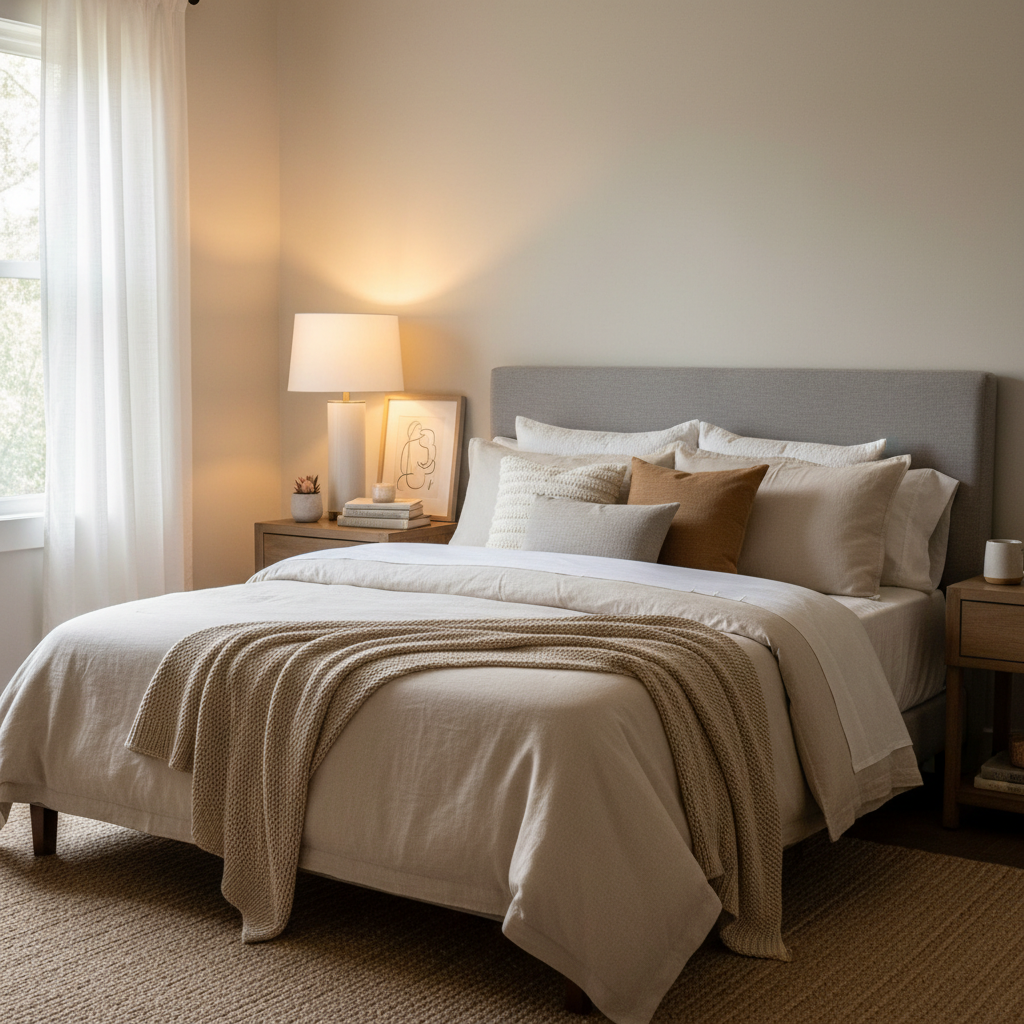
- Lighting: Is the room lit by one harsh ceiling fixture, or do you have at least two warm light sources at different heights?
- Bed zone: Does the bed look “flat” (one comforter, no layers), or visually anchored (headboard, pillows, throw, rug)?
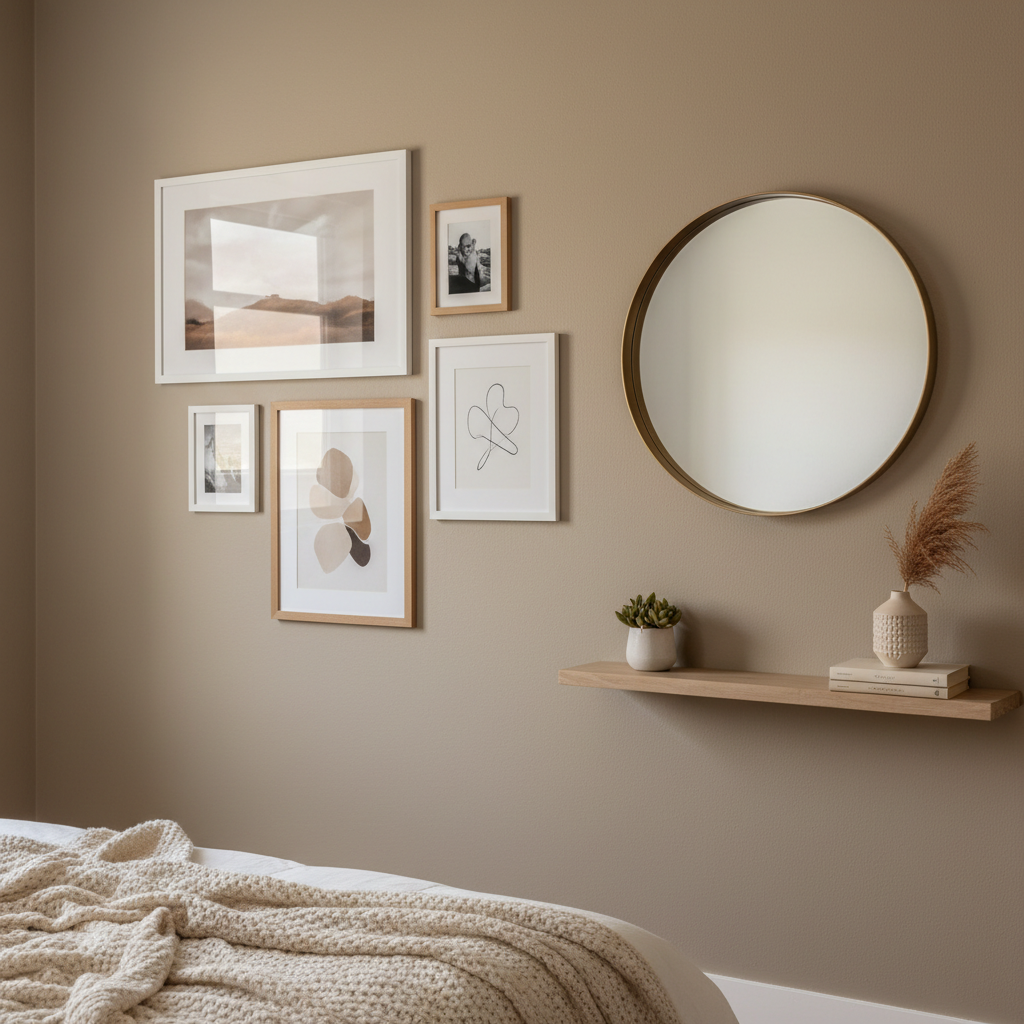
- Walls: Do you have blank walls, or random small frames that feel scattered?
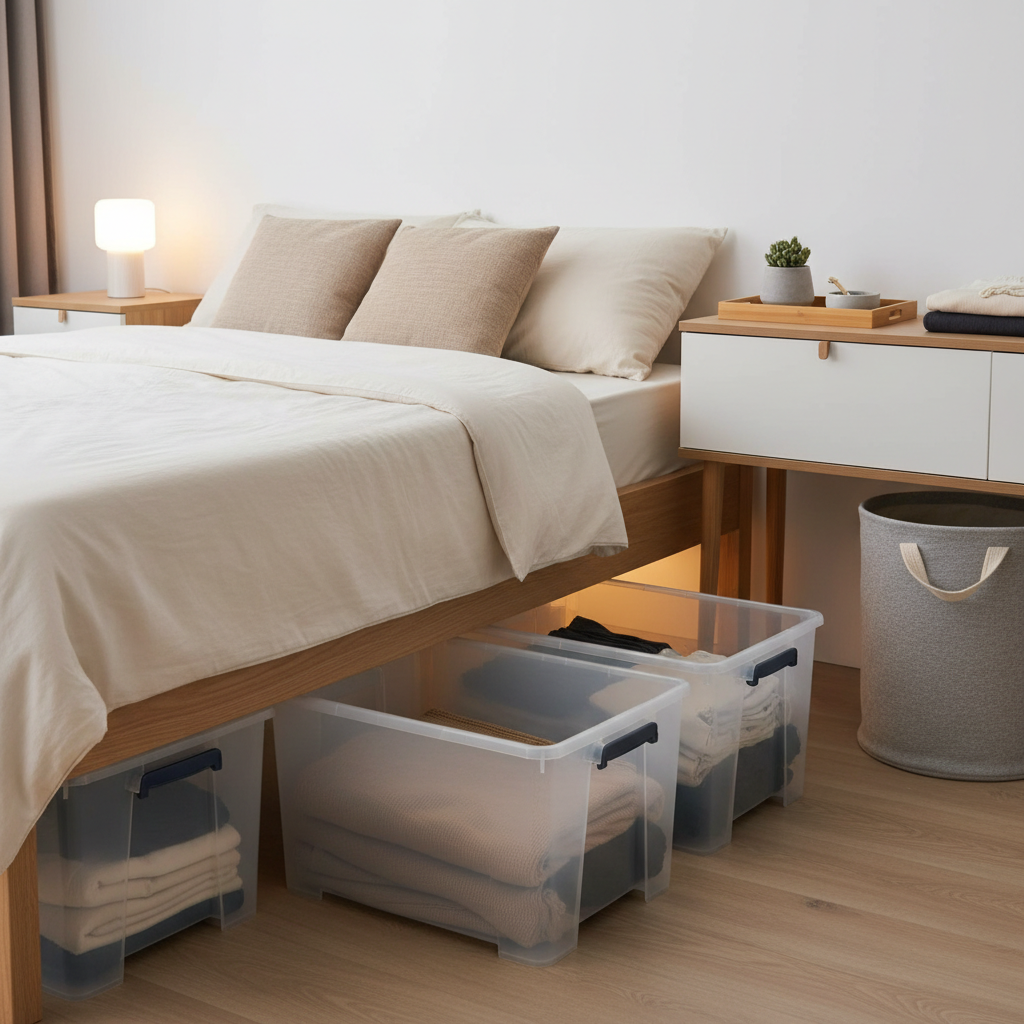
- Clutter: Is clutter visible from the doorway (tops of dressers, floor piles), or mostly contained?
- Color story: Are there 2–3 main colors repeating, or is every item a different vibe?
If you only fix lighting + bedding + one wall, many rooms shift from “meh” to “intentional” surprisingly fast.
Why Bedrooms Look Expensive (Even When They Aren’t)
The “high-end” look usually comes from a few design moves, not expensive furniture. These are reliable in most homes, whether you rent or own.
What creates the upgraded feel:
- Layering: multiple textures on the bed (sheets, quilt/duvet, throw, pillows).
- Consistent metal/wood tones: you don’t need all-match, just avoid five different finishes fighting.
- Scale: art that’s large enough, lamps that aren’t tiny, rug that isn’t postage-stamp size.
- Warm light: soft bulbs and shaded lamps make almost any room feel calmer.
According to U.S. Department of Energy, LED lighting uses at least 75% less energy than incandescent and can last much longer, so swapping bulbs is one of those rare upgrades that looks better and may save money over time.
Budget Plan: Where to Spend vs. Where to Save
If you’re Googling budget friendly bedroom makeover ideas, you’re probably trying to avoid the classic mistake: spending too much on the wrong category, then having no budget left for what people actually notice.
Use this as a simple decision table (adjust based on your room and what you already own):
| Category | Spend (when it’s worth it) | Save (smart alternatives) |
|---|---|---|
| Bedding | Comforter/duvet insert, breathable sheets if you sleep hot | Add a textured throw + 2 euro shams; buy covers separately |
| Lighting | One good bedside lamp or plug-in sconce set | Swap to warm LED bulbs; thrift lamp bases + new shades |
| Walls | One large piece of art or a well-sized mirror | Printable art; DIY canvas; frame thrift finds consistently |
| Rug | Low-pile rug if you need comfort/quiet | Layer a smaller rug over neutral carpet; shop sales/open-box |
| Furniture | Mattress/bed frame if unstable or uncomfortable | Paint nightstands; replace hardware; use slipcovers |
| Storage | Closet system only if daily function is broken | Matching bins; under-bed boxes; hooks behind the door |
Key point: If your bed is the visual anchor, most upgrades should support it, not compete with it.
High-Impact Makeover Ideas Under Common Budgets
Not every “cheap” update looks good, and not every “nice” update is worth the money. Below are a few dependable moves that usually read as intentional.
1) Give the bed “hotel” structure without buying a new bed
- Add two sleeping pillows + two shams, then one throw pillow (not six).
- Fold a throw blanket at the foot for texture and color repeat.
- If your headboard is missing, consider a wall-mounted peel-and-stick panel or a simple fabric headboard; renters can look for no-drill options.
2) Fix lighting in layers (this changes mood fast)
- Choose warm bulbs in the 2700K–3000K range for most bedrooms.
- Aim for two light sources (bedside + floor/desk lamp) so you’re not stuck with overhead glare.
- Use plug-in dimmers if you want flexibility; if wiring is involved, it’s often safer to consult an electrician.
3) Paint, but only if it solves a real problem
Paint is cost-effective, but it’s still time, prep, and disruption. It makes the most sense when your room feels dark, yellowed, or visually chaotic.
- Low-risk option: paint one wall behind the bed, or paint just trim/doors for crispness.
- Test swatches at different times of day, bedroom light can swing a color dramatically.
4) Upgrade “tiny details” that signal quality
- Swap mismatched hardware on dressers/nightstands for one finish.
- Replace a tired lampshade, this is underrated and often cheap.
- Add matching hangers and one good laundry hamper to reduce visual noise.
A Practical Weekend Plan (No Overwhelm)
This is the part many people skip. They buy decor, then the room still feels messy because the sequence is backwards. Try this order instead.
Day 1: Reset and set the foundation
- Clear surfaces, then put back only what you use weekly.
- Move the bed if needed so you can access both sides; symmetry helps but isn’t mandatory.
- Change bulbs, add lamps, and decide where light should land for reading and getting ready.
Day 2: Style with limits
- Make the bed fully, including layers, before touching wall decor.
- Hang one large piece of art or a mirror over the bed/dresser; keep height around eye level.
- Pick one accent color and repeat it 2–3 times (pillow, art, small object).
If you’re on a tight budget, focus on finishing one “camera angle”, what you see from the doorway, and let the rest catch up later.
Common Mistakes That Waste Money (and How to Avoid Them)
These show up again and again when people try budget friendly bedroom makeover ideas and feel disappointed.
- Buying decor before fixing clutter: decor on top of chaos still reads as chaos.
- Too many small items: five tiny frames rarely beat one larger piece.
- Cold lighting: bright cool bulbs can make even nice textiles look cheap.
- Rug that’s too small: if only your toes touch it, it shrinks the room visually.
- Trendy overload: one trend can look fresh, a room full of them ages fast.
Quick rule: if an item doesn’t improve comfort, function, or the main view, pause before buying it.
When It’s Worth Getting Help (or At Least Asking a Pro)
Most bedroom upgrades are DIY-friendly, but a few situations deserve extra caution.
- Electrical work: new hardwired fixtures, outlets that spark, or frequent breaker trips, many cases call for a licensed electrician.
- Mold, persistent dampness, or strong odors: cleaning might not be enough; consider a qualified inspection.
- Sleep issues tied to the room: if heat, allergies, or noise keep you up, it may help to consult a healthcare professional and also look at ventilation, filtration, and window treatments.
According to U.S. Consumer Product Safety Commission, using the correct wattage bulbs and following fixture instructions helps reduce fire risk, so don’t treat lighting upgrades as “just decor.”
Conclusion: Make It Feel Like You on Purpose
A bedroom makeover on a budget isn’t about finding the cheapest items, it’s about spending in the spots that change the room’s mood and everyday comfort. If you do nothing else, fix lighting, add bedding layers, and simplify what you see from the doorway.
Pick one small project you can finish this week, like swapping bulbs and styling the bed, then add the next upgrade only after the room feels calmer, not busier.
Key takeaways
- Sequence matters: declutter, then light, then textiles, then walls.
- Big impact rarely means big spend: warm lighting and cohesive bedding do a lot of heavy lifting.
- One strong focal point beats many small decorations.
FAQ
- What are the easiest budget friendly bedroom makeover ideas for renters?
Focus on reversible updates: plug-in lighting, removable wallpaper on one wall, framed prints, and textiles. They change the vibe without risking your deposit. - How can I make my bedroom look expensive without buying new furniture?
Unify finishes (handles, frames, lamps), upgrade lighting warmth, and add layered bedding. A single oversized art piece also reads more “designed” than several small ones. - Is painting the best cheap bedroom upgrade?
Often yes, but only if your current color is a real problem. If the room already feels fine, lighting and bedding usually deliver a faster, less messy payoff. - What lighting color should I use in a bedroom?
Many bedrooms feel best around 2700K–3000K for a warm tone. If you do makeup or detailed tasks, consider a brighter task light in a specific spot, not everywhere. - How do I choose a color palette on a budget?
Start with what you can’t change easily (flooring, large furniture), then pick one neutral and one accent color to repeat. Keeping it tight prevents costly “almost matches.” - What should I buy first for a bedroom makeover?
Usually lighting or bedding, depending on what’s worse in your room today. If you hate being in there at night, fix lighting; if the bed looks flat, start with textiles. - How can I reduce clutter without buying organizers?
Use what you already have: shoe boxes, sturdy bags, extra baskets, and a “drop zone” tray. The real win is removing extras, not storing every item.
If you’re trying to refresh your room but keep second-guessing purchases, it helps to pick a simple palette, a short shopping list, and a realistic weekend sequence, you’ll waste less money and get a result that feels intentional.