
Best non slip stair treads for wooden stairs come down to two goals that can fight each other: more traction underfoot, and less damage to your wood finish. If you’ve ever felt your sock slide on a glossy stair, you already know why this matters.
Stair slips are usually a mix of small factors, not one big mistake, slick polyurethane, dust, pet hair, steep risers, kids running, older adults moving carefully but carrying items, even the wrong tread backing. The right tread choice fixes the “everyday” risk without turning your staircase into a permanent renovation.
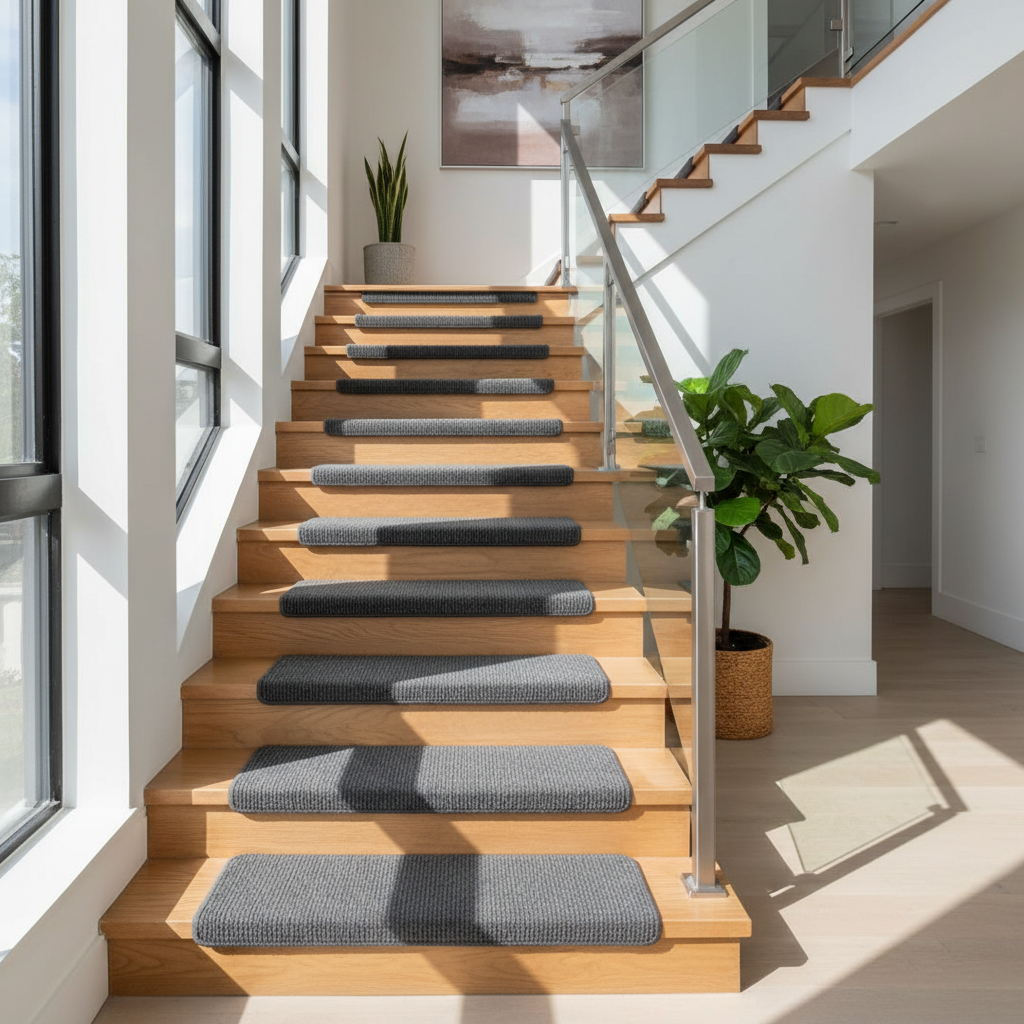
This guide focuses on what actually changes safety on wood: tread material, backing type, how you prep the surface, and what you should avoid if you care about the finish. I’ll also flag when you might want a pro, especially if the stairs have structural issues.
What “non-slip” really means on wood stairs
On wooden staircases, “non-slip” usually means the tread adds friction (grip) and consistency (less variability between steps). It’s not just about texture; it’s also about whether the tread stays put.
- Surface traction: the top material grabs socks, bare feet, or shoes.
- Shear resistance: the backing resists sliding forward when weight transfers on the nosing.
- Edge behavior: corners that curl or lift become trip points, even if the surface is grippy.
According to OSHA, slips and trips are common causes of workplace injuries, and traction is a key control measure, the same logic applies at home even though the setting differs. If someone in your home has balance concerns, you’re aiming for predictable footing more than “extra aggressive” grip.
Quick comparison: best tread types for wooden stairs
Most people don’t need every option on the market, they need the right match for finish type, foot traffic, and whether they’re okay with adhesive.
| Type | Best for | Pros | Trade-offs on wood |
|---|---|---|---|
| Carpet stair treads (non-skid backing) | Everyday family use, pets, bare feet | Comfortable, quieter, solid traction | Some backings can mark finish; needs cleaning |
| Rubber or TPR treads | High-traffic stairs, entry-adjacent stairs | Strong grip, water-resistant | May feel “industrial”; adhesive removal risk |
| Clear anti-slip strips / tape | Minimal visual change, renters (sometimes) | Low profile, easy to target the nosing | Can peel finish during removal; edges collect grime |
| Sisal/jute look treads (synthetic blends) | Style-forward stairs needing light traction | Natural look, moderate grip | Not ideal for wet shoes; can shed or wear |
| Custom cut runners + rods | Long staircases, traditional homes | Secure when installed well, upscale look | Higher cost; pro install often worth it |
How to choose the best non slip stair treads for wooden stairs
The fastest way to pick well is to decide what you’re protecting: the people, the wood finish, or the look. In real life you balance all three, but one usually wins.
1) Backing: grippy without wrecking the finish
On wood, backing matters as much as the tread surface. Look for manufacturer notes about hardwood-safe backing or “non-marking,” and be cautious with unknown rubber compounds that can discolor polyurethane over time.
- Non-skid fiber backing often grips without aggressive adhesives, good for finished stairs.
- Gel or silicone corners can reduce edge lift, but still test for residue.
- Full adhesive holds best, but it’s the highest risk for finish damage on removal.
2) Thickness and edge profile
Too thick can create a “mini step” that catches toes, especially on narrow treads. Too thin can curl. Many households land in a middle range: enough body to stay flat, not so plush that it changes your stride.
3) Coverage: full tread vs. targeted nosing
If slips happen at the front edge, strips placed near the nosing may solve the problem with less visual impact. If the whole step feels slick, a full tread usually feels more consistent.
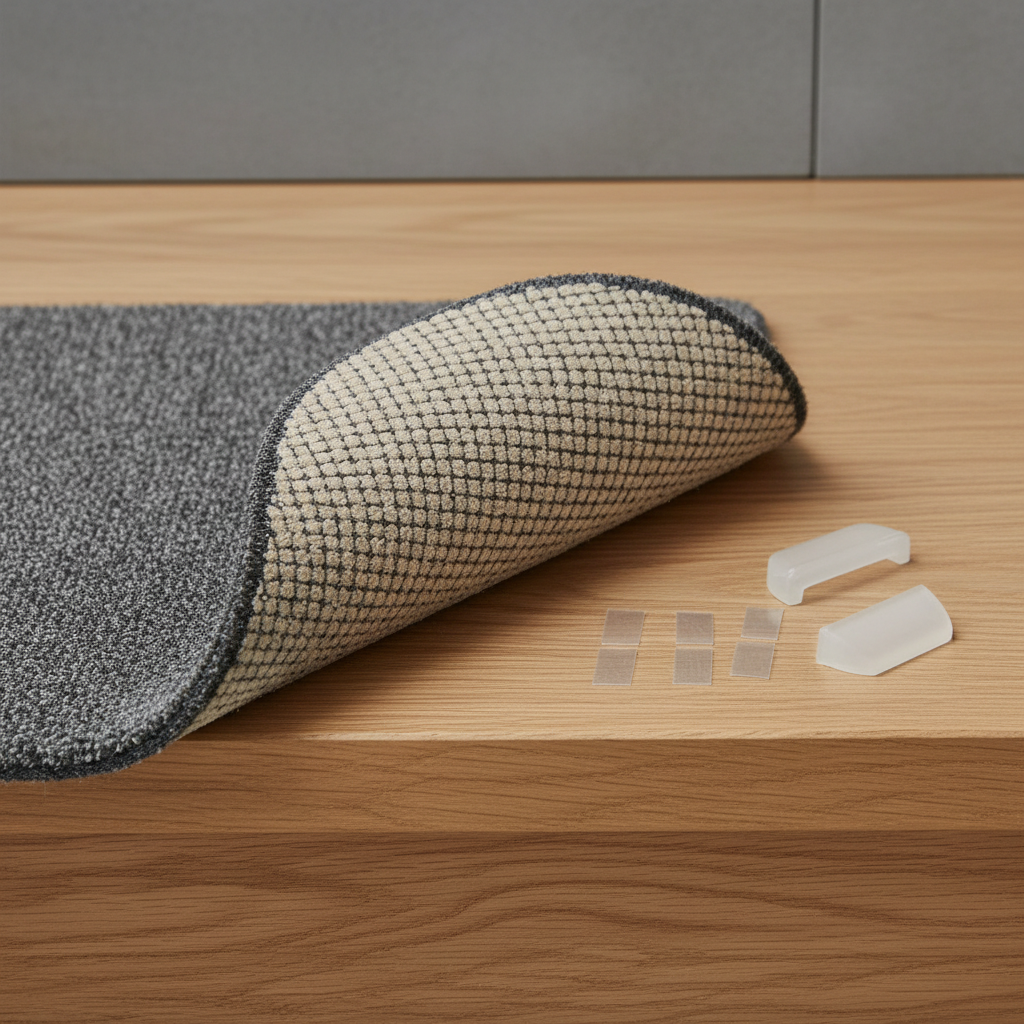
Key takeaway: if you care about the wood finish, prioritize a backing that grips mechanically (texture, non-marking material) before you rely on aggressive glue.
Self-check: which scenario are you in?
Before you buy, take two minutes and be honest about what’s causing the slip. Different causes point to different tread choices.
- “It’s worst in socks” → carpet treads or rubberized surfaces usually help most.
- “It’s only near the front edge” → clear strips near the nosing, or low-profile treads with a firm edge.
- “We track in rain/snow” → water-resistant rubber/TPR, or tight-loop synthetic carpet that dries fast.
- “I’m renting and can’t risk damage” → non-adhesive grippers plus lighter treads, test a hidden spot first.
- “Pet nails click and they hesitate” → softer carpeted treads can boost confidence and reduce noise.
- “Older adult uses these stairs daily” → prioritize stability and consistent footing over aesthetics, consider handrails too.
According to the CDC, falls are a significant safety concern, especially for older adults. If someone in the home has higher fall risk, tread choice is helpful, but it’s rarely the only change that matters.
Installation that actually holds (and doesn’t look sloppy)
Best non slip stair treads for wooden stairs can still fail if prep is rushed. Most “my corners keep lifting” complaints trace back to dust, residue, or applying to a recently polished surface.
Prep steps (worth doing)
- Vacuum each tread and the nosing, then wipe with a cleaner appropriate for your finish.
- Let the stairs dry fully, moisture under backing can weaken grip and attract grime.
- Dry-fit every tread, check spacing so the look stays consistent.
Placement tips (small details, big difference)
- Keep a consistent setback from the nosing, many people aim for a uniform reveal so it reads intentional.
- Press edges firmly, then re-press after 10–15 minutes as backing “settles.”
- If you use tape or adhesive strips, apply pressure across the full contact area, not just the corners.
If your stairs have rounded bullnose edges, check that the tread shape matches. Forcing a flat tread over a curve is a recipe for edge lift.
Maintenance: keep traction from fading
Traction drops when tread surfaces glaze with oils, dust, or fabric softener residue from socks. This is why a tread that felt great in week one may feel “meh” later.
- Vacuum regularly, especially the front edge where debris collects.
- Spot-clean spills quickly, dried residue becomes slick.
- Check corners monthly, re-secure before they turn into a trip hazard.
- Replace when wear shows, bald patches and curled edges are your cue.
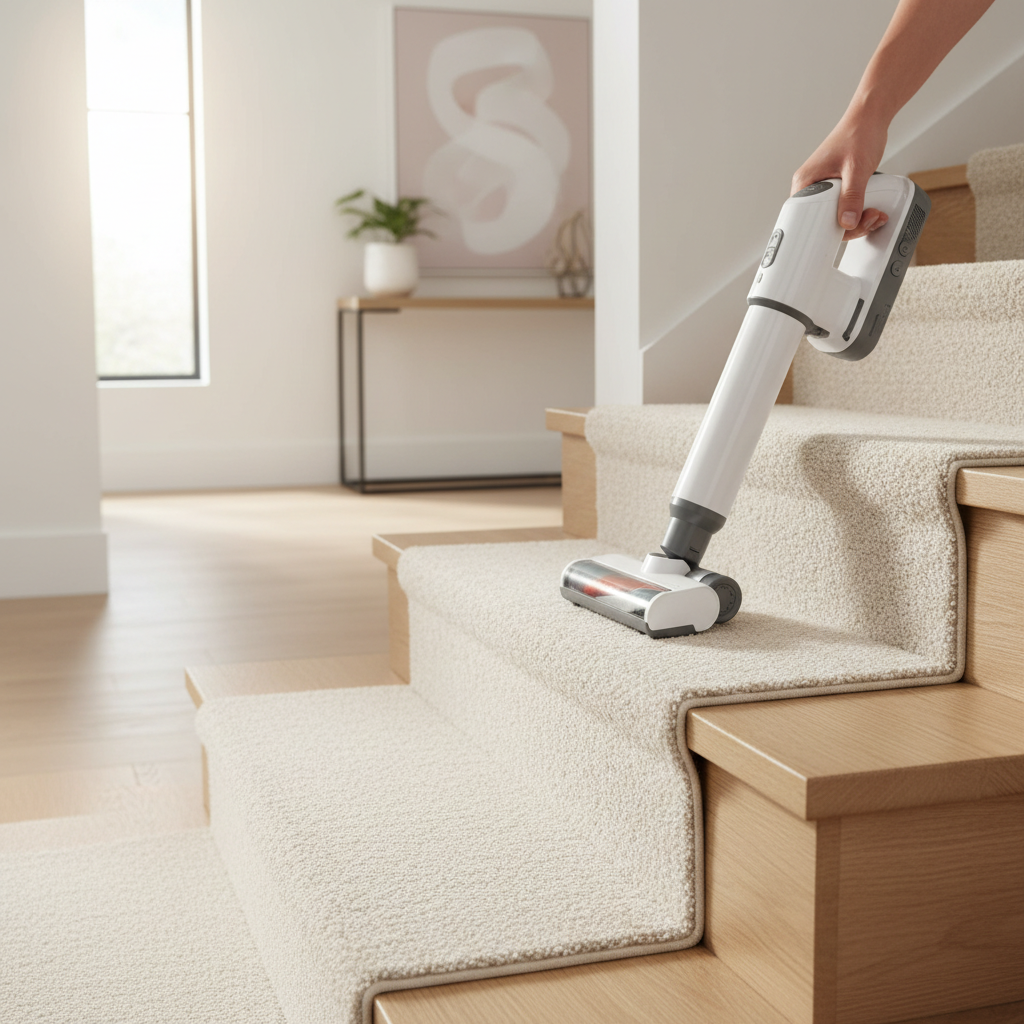
If you choose clear anti-slip strips, expect to clean edges more often. They can look nearly invisible at first, but grime outlines them if you ignore maintenance.
Common mistakes that waste money (or damage wood)
- Skipping a test patch: always test adhesive or backing on a hidden area, finishes vary.
- Over-focusing on “stickiest”: extreme adhesives can create removal problems later, especially on older finishes.
- Covering unsafe geometry: very narrow treads, uneven risers, or loose boards need repair, not just treads.
- Ignoring handrails and lighting: traction helps, but stability and visibility often matter just as much.
If you suspect the finish is already peeling or the wood is soft, be extra cautious with peel-and-stick products. In many cases, gentler backing plus mechanical fastening from a professional is safer for the staircase long-term.
When it’s worth calling a professional
Stair tread products can reduce slip risk, but they can’t fix structural or code-related issues. Consider a flooring installer or carpenter if:
- Steps flex, squeak heavily, or feel uneven underfoot
- Nosing is damaged or the surface is cupped/warped
- You need a full runner with proper stretching and anchoring
- Someone in the home has mobility limitations and you’re planning multiple safety upgrades
For medical fall-risk concerns, it’s reasonable to ask a healthcare professional for guidance on home safety adjustments, since needs vary by person and condition.
Conclusion: a simple way to pick the right tread
If you want the most “no regrets” path, start with a quality carpet tread with a hardwood-friendly, non-marking backing, it usually balances grip, comfort, and looks. If your main goal is minimal visual change, targeted anti-slip strips near the nosing can work, just treat removal and cleaning as part of the deal.
Pick one step to do today: measure your tread depth and width, then choose a tread type that matches your risk level and how much you want to protect the finish. If you’re uncertain, order a small pack and test it on two steps before you commit to the whole staircase.
FAQ
What are the best non slip stair treads for wooden stairs if I wear socks indoors?
Carpeted treads with a reliable non-skid backing are often the most comfortable and forgiving for socks. They also reduce noise, which is a nice side benefit in many homes.
Will peel-and-stick stair treads damage hardwood stairs?
They can, especially when you remove them or if the finish is older or already compromised. A test patch in a less visible area is the safest move, and slow removal with the right technique matters.
Are clear anti-slip strips as safe as full stair treads?
They can help a lot when slipping happens at the nosing, but they won’t cushion the step or improve traction across the full tread. If multiple people feel the stairs are slick, full coverage tends to feel more stable.
How do I keep stair treads from shifting on finished wood?
Clean prep and the right backing do most of the work. If shifting continues, consider adding manufacturer-approved adhesive corners or switching to a tread designed for hardwood surfaces.
What tread material works best for pets on wooden stairs?
Many pets do well with low-pile carpet treads because claws can “find” purchase without sliding. Very smooth rubber can still work, but some pets hesitate if the surface feels unfamiliar.
Can I put non-slip treads on freshly refinished stairs?
Usually you want the finish fully cured before applying anything with grip backing or adhesive, cure time depends on product and conditions. If you just refinished, check the finish manufacturer guidance or ask your installer.
How many stair treads should I buy?
Most people cover every step for consistent footing, mixing bare wood and treaded steps can feel unpredictable. If budget is tight, prioritize the steps with the most traffic or the steepest section, then expand.
If you’re trying to make your staircase safer without turning it into a full remodel, it helps to pick a tread type that matches your finish and daily traffic, then install two as a trial before you commit, it’s the simplest way to avoid buying a full set that doesn’t sit right.