
Best waterproof shower curtains sound simple, until you realize “waterproof” can mean anything from “repels a few splashes” to “actually keeps your floor dry.” If your current curtain clings, leaks at the corners, or starts smelling musty after a week, you’re not alone, and you’re not necessarily doing anything wrong.
Modern bathrooms add a twist: frameless glass, floating vanities, matte black hardware, and tighter layouts tend to expose weak spots fast. A curtain that worked in an older tub alcove might behave badly in a newer space with stronger ventilation pulls or different splash patterns.
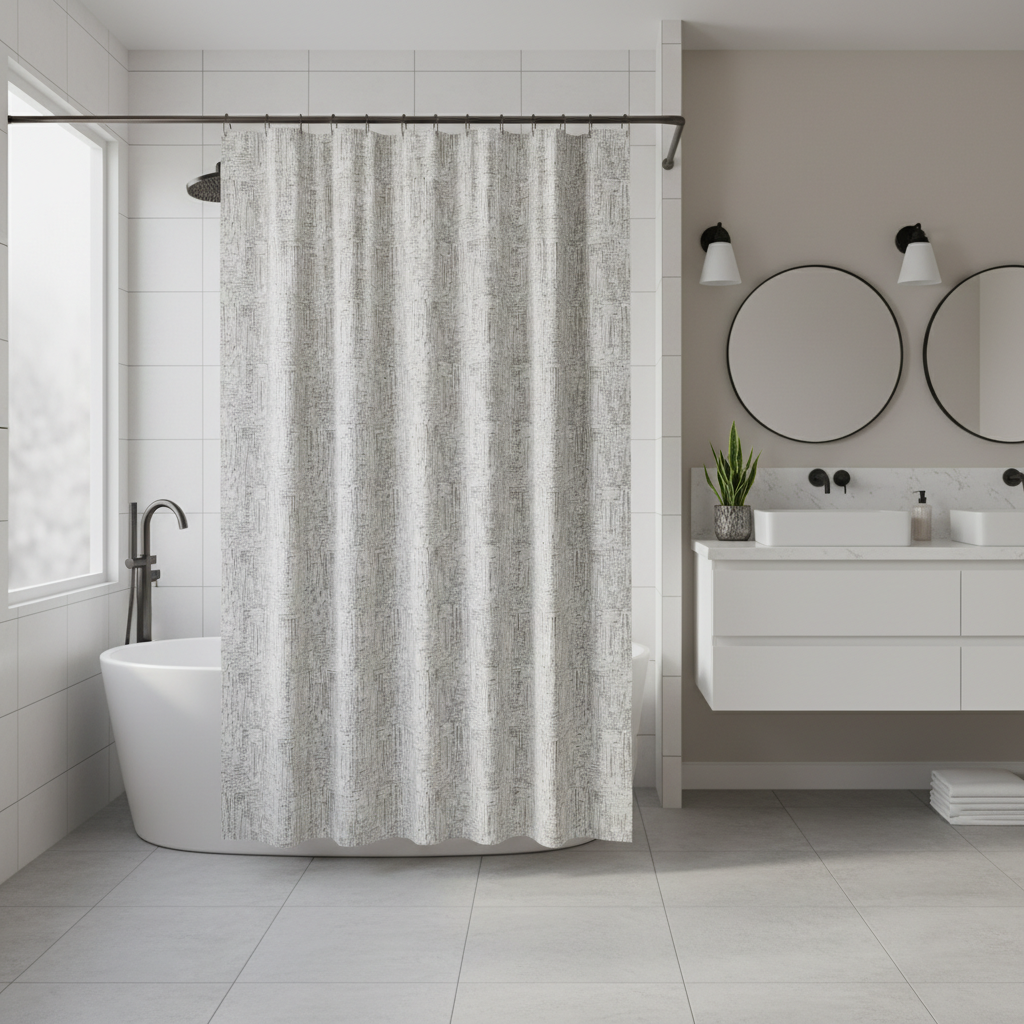
This guide focuses on what actually matters when buying: material performance, liner vs no-liner setups, sizing, and the little design details that stop puddles and mildew. You’ll also get a quick comparison table and a practical checklist so you can choose without overthinking it.
What “waterproof” really means in shower curtains
Manufacturers use a few related terms that aren’t identical. Knowing the difference saves you from buying a “nice-looking” curtain that still needs a heavy liner.
- Waterproof: Water does not pass through the material under normal shower spray. Most true waterproof curtains are vinyl, EVA/PEVA, or polyester with a solid waterproof backing.
- Water-resistant: Water beads and rolls off for a while, but prolonged spray can soak through. Many fabric “spa” curtains land here.
- Mildew-resistant: The material is less likely to grow mildew, but it still needs drying and airflow. This label is not a guarantee.
According to CDC, mold grows where moisture lingers, especially with poor ventilation, so even a waterproof option can get gross if it stays wet and folded all day.
Quick comparison table: materials that suit modern bathrooms
If you want a fast filter, start with material. In many homes, the right pick comes down to whether you want “hotel crisp” or “zero-maintenance wipe-down.”
| Material | Water protection | Look & drape | Maintenance | Best for |
|---|---|---|---|---|
| Vinyl (PVC) | High | Can look shiny, stiffer | Wipe clean, may yellow over time | Max splash control, kids’ baths |
| EVA/PEVA | High | More matte than PVC, medium drape | Wipe clean, typically fewer odors | Modern minimal look, low fuss |
| Polyester (coated) | Medium to high | Fabric look, better “spa” vibe | Often machine washable | Design-first bathrooms |
| Polyester (uncoated) | Medium | Best drape, looks like decor | Needs liner for real protection | Layered curtain + liner setup |
How to pick the right one (what matters more than “cute pattern”)
The best waterproof shower curtains for modern bathrooms usually nail three things: sizing that prevents corner leaks, weight that hangs straight, and hardware compatibility with your rod and rings.
1) Size and coverage: stop leaks at the corners
- Standard tub: 70–72 in wide by 70–72 in long often works, but measure your rod width.
- Height: The bottom should sit inside the tub, usually 1–2 inches above the floor. Too short sprays out, too long wicks water.
- Extra-wide rods: If your rod spans a long wall, consider extra-wide curtains so you can keep more overlap at the ends.
A common modern-bath issue is a curved rod that increases interior space but changes how water hits the curtain. In that case, slightly wider coverage reduces side spray escapes.
2) Weight and hems: the “hang” is half the battle
- Weighted hem: Helps prevent billowing and cling.
- Magnets: Useful with metal tubs, less effective with acrylic/fiberglass. If you have a non-metal tub, magnets may not solve anything.
- Thicker gauge liners: For EVA/PEVA and vinyl, thickness often correlates with better drape and durability, though “too thick” can feel stiff.
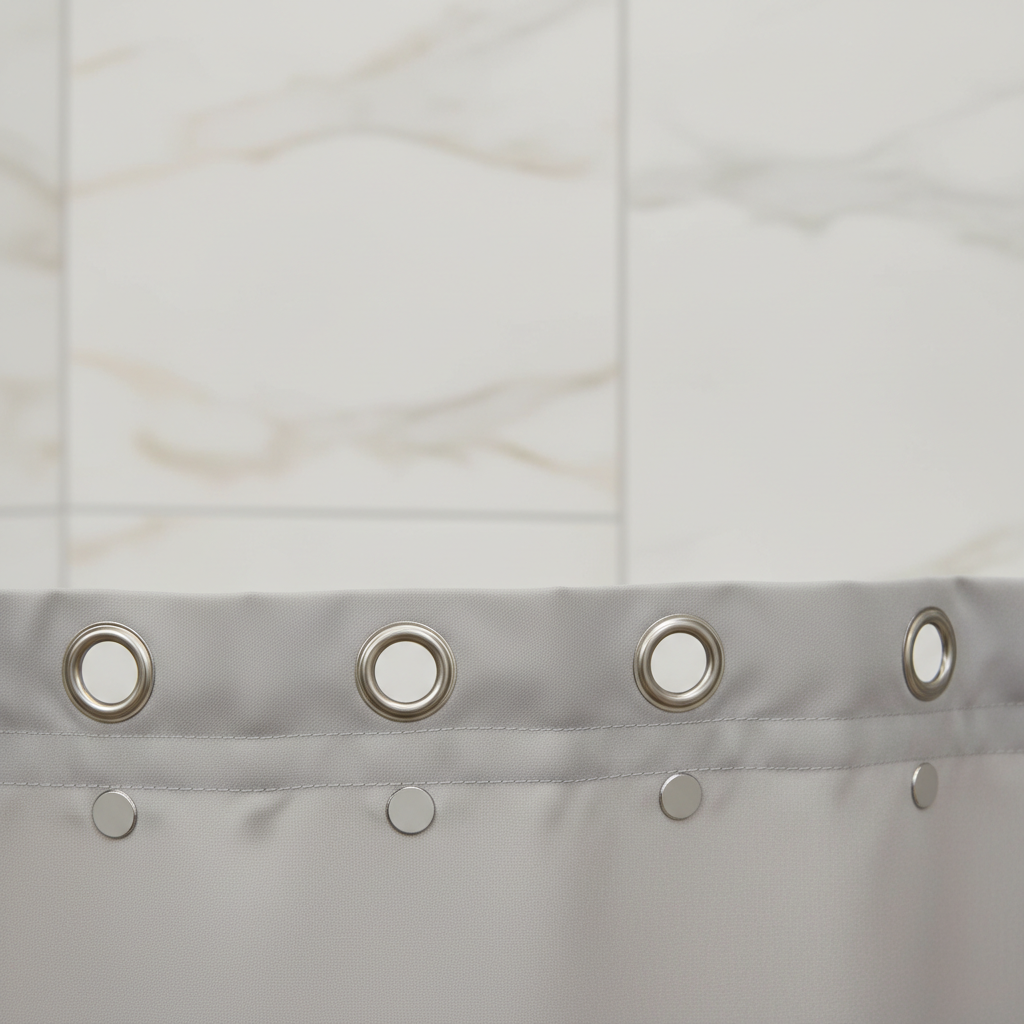
3) Hooks, grommets, and top edge reinforcement
If your curtain tears at the top, it’s rarely “bad luck.” It’s usually thin holes + heavy pulling + frequent sliding.
- Reinforced header: A thicker band at the top resists tearing.
- Metal grommets: Slide better and last longer than raw cut holes.
- Roller rings: Not glamorous, but they make daily use smoother and reduce stress on the curtain.
Self-check: which setup fits your bathroom?
Use this quick list to avoid buying the wrong “type” of curtain.
- You hate maintenance and just want wipe-down cleaning → look at EVA/PEVA or vinyl waterproof curtains/liners.
- You care about design and want a fabric look → choose coated polyester or pair a decorative fabric curtain with a waterproof liner.
- Your bathroom stays humid (no fan window, slow drying) → prioritize easy-to-clean waterproof material plus better airflow habits.
- You get puddles outside the tub → check width, curved rod coverage, and whether the bottom sits inside the tub.
- Your curtain clings to you → consider a weighted hem, a slightly heavier liner, and improving ventilation.
Practical buying recommendations (by real-life scenario)
Instead of “Top 10” brand lists that go stale, here are scenario-based picks that stay useful. This is usually how people actually shop for best waterproof shower curtains.
For a clean modern look with minimal effort
- Matte or lightly frosted EVA/PEVA curtain or liner
- Reinforced top header + metal grommets
- Neutral tone: white, warm gray, soft beige to match modern tile
This combo tends to look crisp without screaming “plastic.” Many bathrooms can skip a separate fabric curtain if the liner looks finished.
For “spa” style without surprise leaks
- Decorative polyester outer curtain (fabric look)
- Separate waterproof liner (EVA/PEVA works well)
- Roller hooks to keep both layers moving smoothly
This is the setup that feels most like a boutique hotel, but it only works if the liner is sized correctly and sits inside the tub.
For households with kids, pets, or heavy daily use
- Heavier-gauge waterproof liner with a weighted hem
- Simple color that hides water spots
- Extra rings/hooks on hand, since hardware fails before the curtain does
If you’re cleaning often, wipeable surfaces beat “delicate wash” routines, even if fabric looks nicer.
Care tips that actually extend lifespan (and reduce mildew)
Most curtain problems are maintenance problems, but not the complicated kind. Small habits matter more than special sprays.
- After shower: Pull the curtain closed so it dries flat, not bunched.
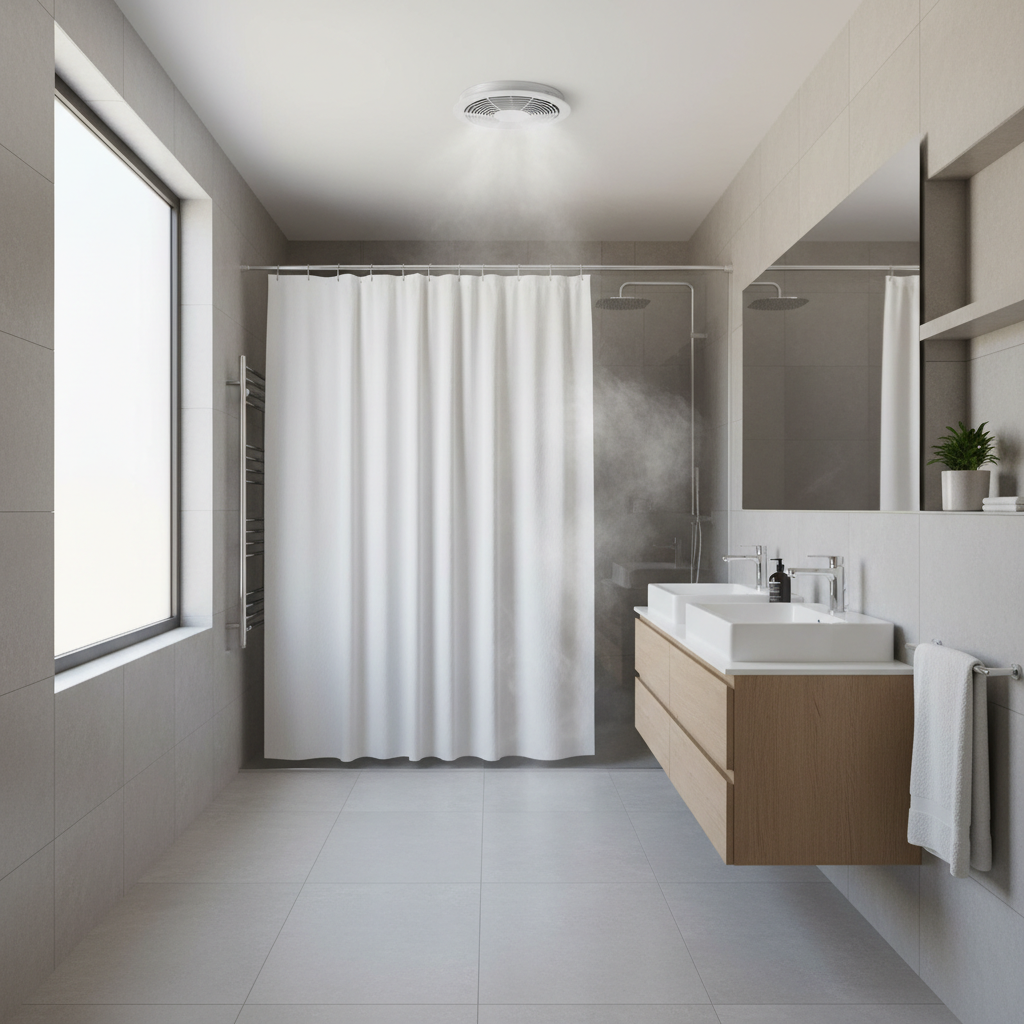
- Airflow: Run the exhaust fan longer than you think you need. According to EPA, controlling moisture is key to preventing mold growth indoors.
- Weekly reset: Quick wipe at the bottom hem where soap scum builds.
- Washing: If your curtain is machine-washable polyester, follow the label. If you’re unsure, spot-test and avoid high heat that can warp coatings.
Common mistakes to avoid (these waste money fast)
- Buying “waterproof” but choosing the wrong length: Too long can wick water onto the floor, too short lets spray escape.
- Assuming magnets will fix everything: If your tub isn’t metal, they may do almost nothing.
- Layering two heavy curtains: A thick decorative curtain plus thick liner can feel bulky and trap moisture.
- Ignoring the rod: A slipping tension rod makes any curtain look cheap and leak-prone.
- Overusing harsh cleaners: Some coatings get cloudy or brittle. If you need stronger cleaning, test a small area first.
Conclusion: a simple way to choose today
If you want a decision rule that holds up, pick based on your tolerance for maintenance and your bathroom’s drying conditions, then match the size to your rod and tub so water stays where it belongs. For many modern homes, an EVA/PEVA waterproof option with reinforced grommets hits the sweet spot between clean looks and easy care, while design-forward bathrooms often do best with a fabric outer curtain plus a dependable liner.
Key takeaways: prioritize correct width and length, look for a weighted hem, and don’t underestimate ventilation. Once those basics are right, style choices become fun instead of risky.
If you’re replacing a problem curtain, measure your rod today and decide whether you want a single waterproof curtain or a two-layer setup, that one choice narrows the options fast.
FAQ
What material is best if I want a modern look but still need real waterproofing?
EVA/PEVA often fits modern bathrooms well because it can look more matte and minimal while still blocking water. If you want a true fabric look, consider coated polyester or a fabric outer curtain paired with a waterproof liner.
Do I need a liner if I buy best waterproof shower curtains?
Not always. Some waterproof curtains are designed to be used alone, but many people still prefer a liner to protect a decorative outer layer. If you care most about easy cleaning, a single waterproof curtain can be simpler.
Why does my shower curtain still leak even though it says waterproof?
Leaks are often caused by sizing or placement, not the fabric. If the curtain doesn’t overlap the tub edges, or the bottom hangs outside the tub, water can escape without soaking through the material.
How do I stop a shower curtain from clinging to my body?
Try a weighted hem, a slightly heavier liner, and better airflow. Sometimes the exhaust fan and how you position the curtain matter as much as the product itself.
Are mildew-resistant shower curtains actually mildew-proof?
Usually not. “Mildew-resistant” can help, but moisture and soap residue still allow growth in many bathrooms. Better drying habits and routine wiping make a bigger difference than the label.
What length shower curtain should I use for a standard tub?
Many standard setups use 70–72 inches long, but it’s worth measuring. The goal is a bottom edge that stays inside the tub while keeping enough clearance to dry without wicking water onto the floor.
Is it safe to use strong bleach cleaners on waterproof liners?
It depends on the material and manufacturer guidance. Strong cleaners can damage coatings or cause cloudiness, so it’s smarter to spot-test and follow the care label, and if you have health concerns about mold, consider asking a qualified professional for advice.
If you’re trying to match a modern bathroom and want a more “set it and forget it” setup, it often helps to start from your layout and habits, then pick the waterproof curtain style that fits, rather than shopping by pattern alone.