
How to unclog shower drain naturally usually comes down to one of two things: hair mats near the strainer, or soap scum buildup that slowly narrows the pipe. The good news is you can often fix both with basic tools and a few household ingredients, without jumping straight to harsh chemicals.
It’s worth getting this right because a “kinda draining” shower rarely stays that way. Slow drains often turn into standing water, odors, and in some homes, recurring gunk that keeps coming back every couple weeks.
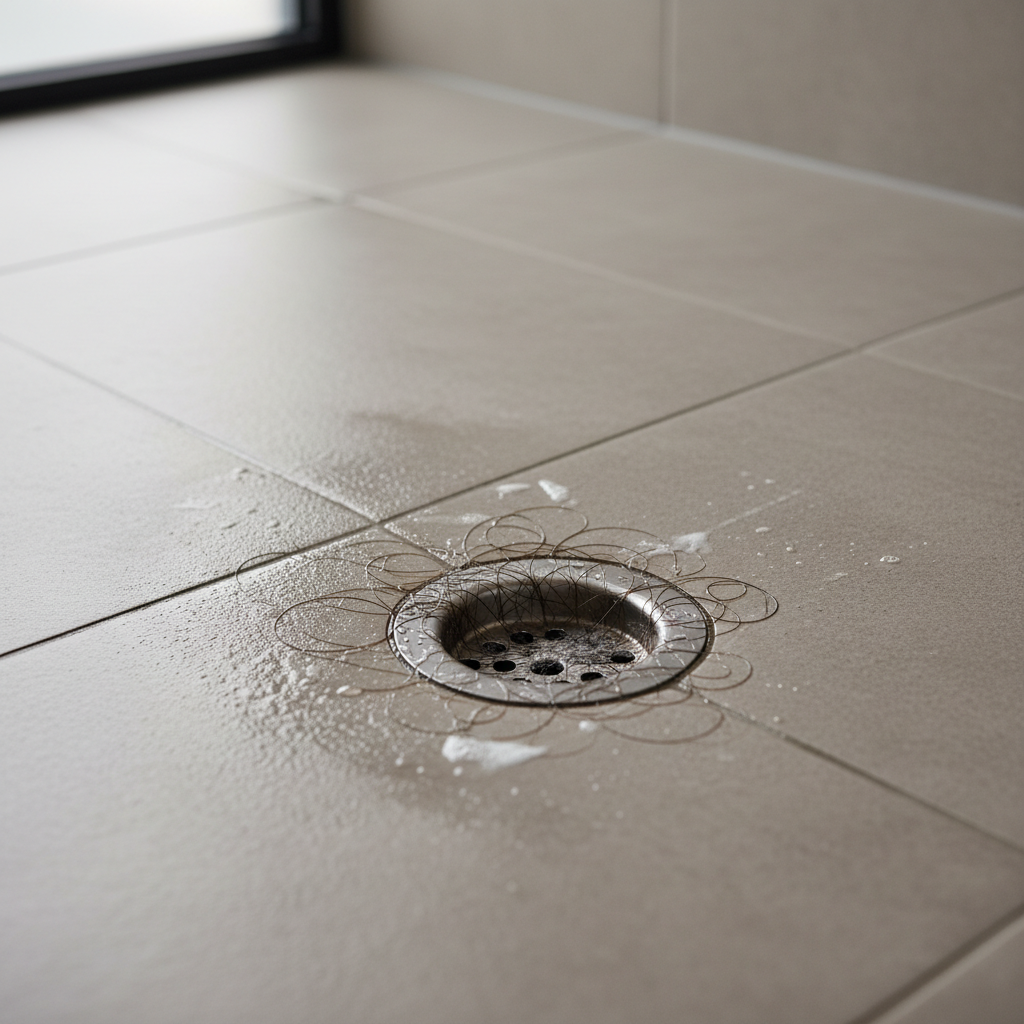
One quick note before you start: if your shower drain has been treated with a chemical drain opener recently, treat the area as contaminated, wear gloves and eye protection, and consider waiting or flushing thoroughly with water. Mixing methods can create splashes you don’t want.
What’s really clogging your shower drain (most common causes)
Most “clogs” are a combo clog, and that’s why one single trick sometimes works and sometimes doesn’t.
- Hair + conditioner residue forms a net right under the drain cover, it traps everything else.
- Soap scum is basically soap reacting with minerals, it coats pipe walls and shrinks the opening over time.
- Hard water scale (common in many US regions) adds a crunchy layer that makes buildup stick.
- Shampoo caps, small objects happen, especially in family bathrooms, and they behave more like a physical blockage than sludge.
- Vent or pipe issues are less common, but if multiple drains are slow, it may not be “your shower” at all.
According to the U.S. Environmental Protection Agency (EPA), household chemicals should be used and stored carefully and never mixed, which is a practical reminder when you’re switching between DIY methods and store-bought products.
Quick self-check: which situation are you in?
Before you pour anything down the drain, do a 60-second check. It saves time, and it tells you which natural approach has the best odds.
- Standing water that barely moves: likely a dense hair mat or a physical blockage close to the drain.
- Slow drain but not fully blocked: often soap scum plus hair deeper down.
- Gurgling sounds: could be partial blockage, or a venting issue.
- Bad smell even when draining “fine”: biofilm on pipe walls, hair decay, or trapped debris.
- Other fixtures also slow: possible main line or branch issue, DIY may be limited.
Natural methods that actually work (ranked by what they’re good at)
Below is a practical comparison, because “natural” isn’t one method, it’s a few different tools for different clogs.
| Method | Best for | What to avoid |
|---|---|---|
| Remove cover + pull hair (zip tool) | Hair mats near the drain | Yanking hard if you feel resistance from something solid |
| Boiling/hot water flush | Greasy soap scum, light buildup | Very hot water on some older PVC or fragile fittings, use hot tap if unsure |
| Baking soda + vinegar + hot water | Odor + mild sludge | Expecting it to dissolve a big hair clog by itself |
| Plunger (shower-safe technique) | Partial clogs a bit deeper | Poor seal, or plunging without blocking the overflow if applicable |
| Manual snake (small drain auger) | Stubborn clogs past the trap | Scratching finishes or forcing the cable |
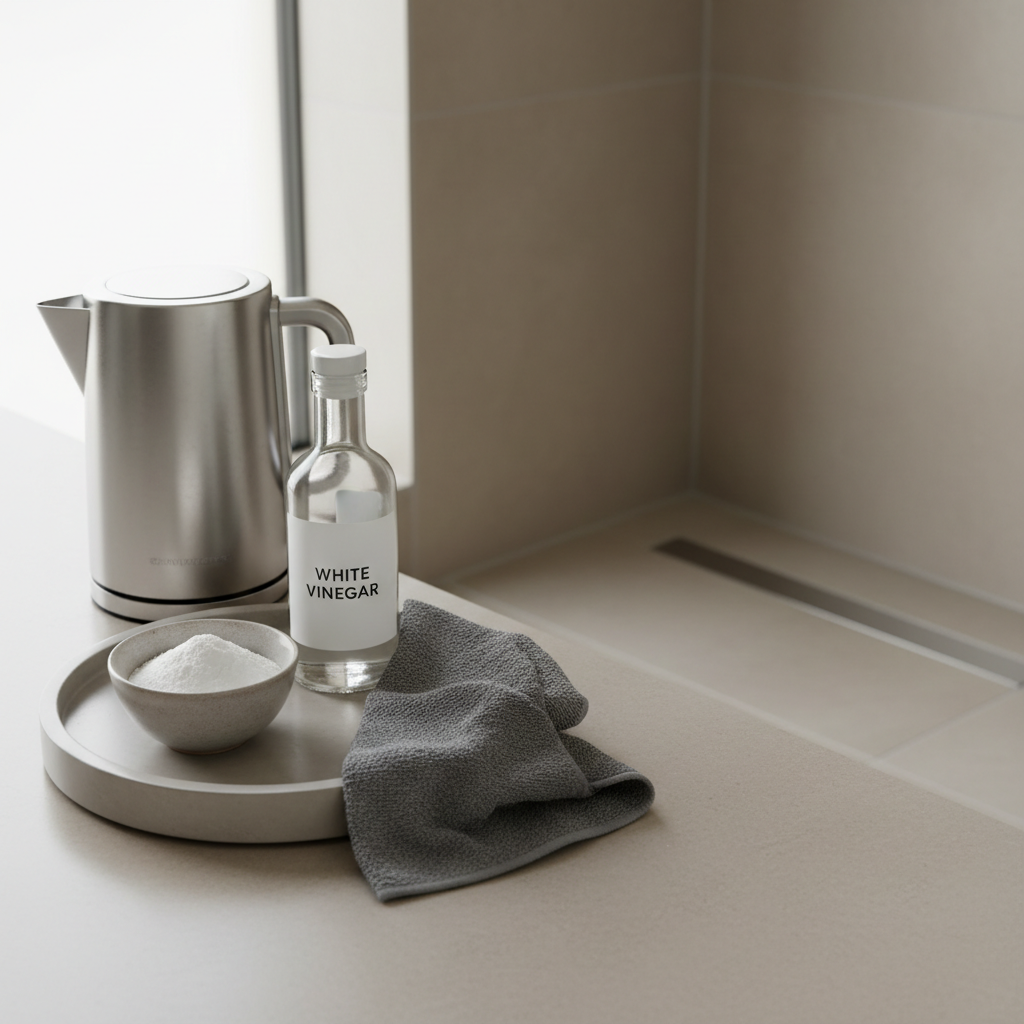
Step-by-step: how to unclog a shower drain naturally at home
This is the sequence that tends to work in real bathrooms, because it goes from “least effort” to “most direct,” and it doesn’t rely on one magic reaction.
Step 1: Remove the drain cover and clear what you can reach
- Put on gloves, remove the strainer or cover (often a single screw, sometimes it lifts).
- Use a paper towel to grab visible hair and gunk.
- If you have a plastic zip tool, slide it in a few inches, rotate, and pull slowly.
Key point: If you pull out a nasty hair rope, you may be done. Rinse with hot water and test the drain before moving on.
Step 2: Hot water flush (simple, underrated)
- Run the hottest tap water you can for 2–3 minutes.
- If your plumbing is in good shape and you’re comfortable, carefully add a kettle of hot water in two pours, with a brief pause between them.
Hot water helps soften soap scum so the next step can do more than fizz on the surface.
Step 3: Baking soda + vinegar, then wait
- Pour about 1/2 cup baking soda into the drain.
- Add about 1 cup white vinegar, you should hear fizzing.
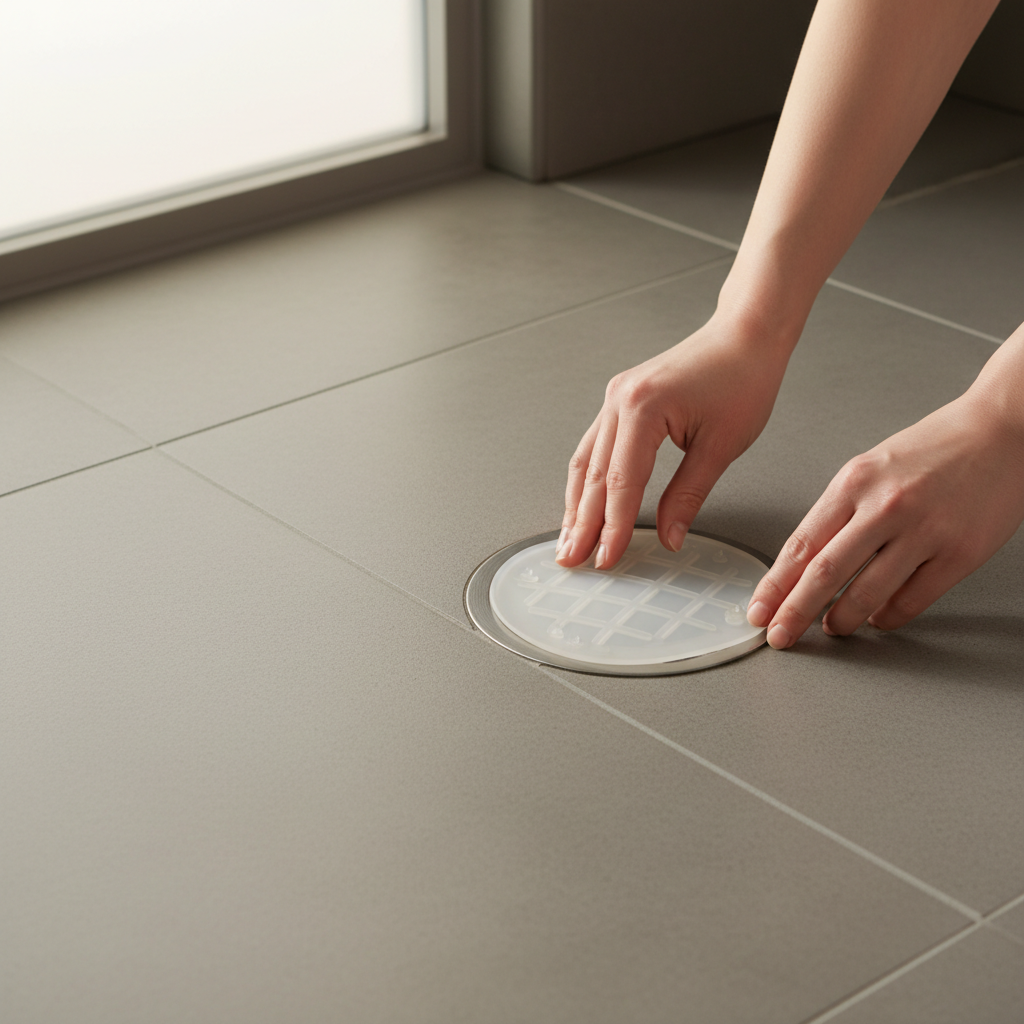
- Cover the drain opening with a damp cloth to keep the reaction working downward.
- Wait 20–30 minutes, then flush with hot water.
This method is a solid choice for mild sludge and smells. For dense hair clogs, it’s more of a “supporting player” than the main act.
Step 4: Plunge the shower drain (if water still pools)
- Add enough water to cover the plunger rim.
- Create a good seal over the drain.
- Push and pull with steady strokes for 20–30 seconds, then check drainage.
If your shower is in a tub, block the tub overflow with a wet rag so you get suction where you need it.
Step 5: Use a small snake when the clog is deeper
- Feed the snake slowly, rotate gently when you hit resistance.
- Pull back, clean the cable, repeat until it moves freely.
- Finish with hot water to wash loosened debris away.
If you’re trying to unclog shower drain naturally and you keep hitting a hard stop fast, stop forcing it, that’s when damage risk climbs.
Prevention that feels realistic (not “never shed hair again”)
Most recurring clogs are maintenance problems, not mystery plumbing issues. A few small habits usually beat a dramatic Saturday clean-out.
- Use a hair catcher that fits your drain style, clean it every 2–3 showers.
- Weekly hot-water rinse for 2 minutes, especially if you use heavy conditioners or body oils.
- Monthly mild clean with baking soda and vinegar if you notice odors starting.
- Keep bar soap use in mind: some households see more soap scum with bar soap than body wash, though it varies by water hardness.
Common mistakes that make “natural” unclogging fail
- Skipping the physical removal step: baking soda and vinegar won’t reliably dissolve a thick hair mat.
- Not giving it time: pouring, waiting 2 minutes, and rinsing tends to disappoint.
- Using too much of everything: more vinegar doesn’t mean more power, it can just overflow and make a mess.
- Mixing methods with leftover chemicals: if a chemical opener was used earlier, be cautious and consider professional help.
- Assuming the shower is the only problem: if the toilet bubbles or other drains slow down, you may be looking at a bigger line issue.
When it’s time to call a plumber (or at least get advice)
DIY is great until it starts turning into repeated emergencies. Consider reaching out for help if any of these show up:
- Water backs up quickly and returns even after snaking.
- Multiple fixtures drain slowly, or you hear frequent gurgling across the bathroom.
- You notice water stains, damp drywall, or smells that suggest a leak.
- You have older plumbing, and you feel strong resistance with a snake.
According to the American Cleaning Institute, always read product labels and follow safety instructions, and never mix cleaning products, which matters even if you’re switching between “natural” steps and a commercial solution.
Key takeaways
- How to unclog shower drain naturally works best when you start with physical hair removal, then use hot water and gentle cleaners.
- Baking soda and vinegar can help with mild buildup and odors, but it’s not a guaranteed fix for dense hair.
- If more than one drain acts up, the issue may be beyond the shower line.
If you want the quickest win, remove the cover and pull what you can reach, then do a hot-water flush and reassess before you escalate. If the clog keeps returning, add a hair catcher and a simple weekly rinse, it’s boring, but it works.
FAQ
How do I know if the clog is hair or soap scum?
Hair clogs usually cause fast pooling and feel “spongy” or grabby when you use a zip tool. Soap scum buildup tends to cause gradually slower draining over weeks, often with a dull, slippery film around the cover.
Does baking soda and vinegar really unclog a shower drain?
It can help with light sludge and odor, and it sometimes improves a slow drain. In many bathrooms, though, the main blockage is hair, and that needs to be pulled out or mechanically broken up for a reliable fix.
Is boiling water safe for shower drains?
Often it’s fine, but plumbing materials vary. If you’re unsure about older PVC, adhesives, or a delicate shower base, use very hot tap water instead and repeat a couple cycles rather than pouring rolling-boil water.
How to unclog shower drain naturally if it’s completely blocked?
Start by removing the drain cover and clearing hair, then try plunging with a good seal. If it stays fully blocked, a small snake is usually the natural next step because it’s mechanical, not chemical.
Why does my shower drain smell even when it’s not clogged?
Smells often come from biofilm, trapped hair, or buildup on the pipe walls near the trap. A physical clean-out plus a baking soda and vinegar treatment, followed by hot water, usually helps more than fragrance-based cleaners.
Can I use salt, dish soap, or lemon to clear a shower drain?
They may help with light grease or deodorizing, but they’re hit-or-miss on shower clogs because hair is the main issue. If you try them, treat them as minor maintenance, not a fix for standing water.
What if I tried everything and the drain still runs slow?
At that point it’s worth considering a deeper blockage, venting issue, or buildup farther down the line. Repeated snaking without progress is a sign to consult a plumber, especially if other fixtures are affected.
If you’re dealing with repeat slow drains or you’d rather avoid trial-and-error, a simple approach is to keep a small zip tool and a shower hair catcher on hand, and build a quick monthly routine around them, it’s not glamorous, but it saves you from the “ankle-deep water” surprise.